
Radial Mix 2:1
4.8Editor score
Passive mono summing design
Two inputs with one output
Durable compact metal housing
This guide compares ten top analog summing mixers for studio and live use, evaluating channel count, build quality, and sonic character to help you choose.
Finding the right analog summing mixer can transform your workflow and sonic character. These devices combine digital tracks into a single analog bus, adding warmth and glue that software alone often lacks.
We evaluated ten real products based on channel count, build quality, features, and user feedback. Our list covers everything from compact passive mixers to full production consoles with advanced monitoring and routing capabilities.
Each pick highlights specific strengths and ideal use cases for different budgets and setups. Keep in mind that model availability and pricing can change over time, so verify current details before purchasing.
4.8Editor score

4.9Editor score
4.8Editor score
This side by side comparison breaks down key features and capabilities across all ten selected mixers so you can quickly identify the right fit for your studio or live workflow needs.




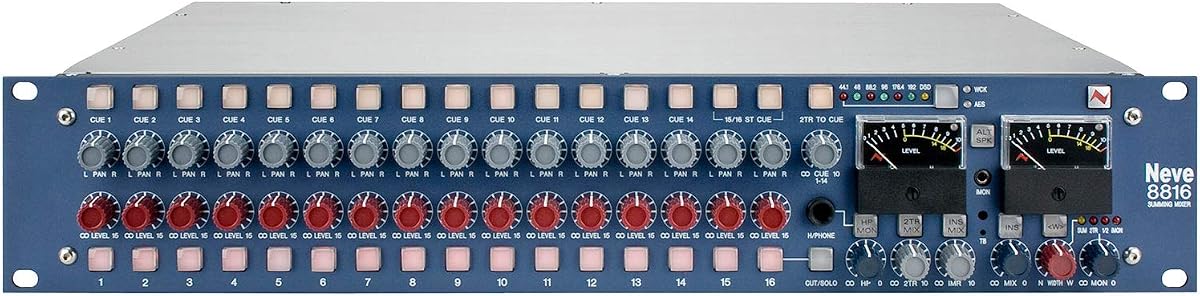
The Neve 8816 Summing Mixer is a flagship choice for professionals seeking authentic analog character. It brings sixteen channels together with the warmth and depth that defines the Neve legacy.
We may earn a commission when you buy through this link, at no additional cost to you.
Its transformer-balanced design ensures clean signal paths with minimal noise. The monitoring section offers main and alternate speaker outputs alongside dual headphone jacks for versatile workflow.
While the investment is significant, the sonic improvements and build quality justify the cost for serious studios. It integrates well into high-end hybrid setups.
Ideal for producers who want to elevate digital stems with genuine analog texture. This unit remains a top-tier choice for those prioritizing sound quality above all else.
The internal transformer design reduces noise and adds subtle harmonic richness to every track.
Multiple outputs allow flexible listening options for clients and engineers during sessions.
We may earn a commission when you buy through this link, at no additional cost to you.
The Radial Mix 2:1 offers an accessible way to experiment with passive summing on a budget. Its simple design combines two inputs into a single mono output without needing power.
We may earn a commission when you buy through this link, at no additional cost to you.
Users appreciate its robust build and straightforward operation. It works well for merging specific tracks like drums or backing vocals before hitting the main bus.
While channel count is minimal, the passive nature avoids noise floors and power supply issues. It is a reliable tool for focused mixing tasks.
Perfect for home studio producers looking to add analog flavor without breaking the bank. Its simplicity ensures quick integration into existing signal chains.
Passive design eliminates the need for power sources and reduces potential noise issues.
Ideal for combining specific groups of tracks rather than a full mix bus.
We may earn a commission when you buy through this link, at no additional cost to you.
The Rupert Neve Designs 5059 Satellite Summing Mixer brings the Shelford Edition sound to hybrid setups. It combines sixteen channels with the warmth that defines Neve consoles.
We may earn a commission when you buy through this link, at no additional cost to you.
The design offers two plus two summing buses for flexible routing. This allows users to group tracks in ways that suit complex production workflows.
Though costly, the sonic benefits and build quality are evident. It provides a professional edge to mixes that need that specific analog polish.
Recommended for producers invested in the Neve sound who need a dedicated summing tool. It excels in environments where analog texture is a priority.
Captures the unique harmonic character of the Shelford series in a compact unit.
Multiple summing buses allow creative grouping of tracks during the mix process.
We may earn a commission when you buy through this link, at no additional cost to you.
The Headliner R4 is a standout for analog DJ summing with built-in filtering capabilities. Its four channels offer gain control and 3-band isolator EQs for detailed sound shaping.
We may earn a commission when you buy through this link, at no additional cost to you.
The high pass and low pass filter features resonance controls to craft unique sonic textures. This makes it versatile for live performance scenarios requiring quick tweaks.
Its ALPS potentiometers and metal enclosure ensure durability during transport. The wood side panels add a premium look to any booth setup.
Best suited for DJs wanting analog control and filtering in one unit. It delivers precision for performance mixes where analog clarity is essential.
Analog filters with resonance allow dynamic sound shaping during mixes.
ALPS pots and metal housing ensure longevity in demanding live environments.
We may earn a commission when you buy through this link, at no additional cost to you.
The Mackie Onyx Series 16-channel mixer blends analog summing with robust digital connectivity. Its Onyx mic preamps provide up to 60dB gain and legendary British style EQ.
We may earn a commission when you buy through this link, at no additional cost to you.
Multi-track USB recording to Mac or PC ensures each channel stays isolated for later processing. Direct SD card recording adds an extra layer of flexibility.
Bluetooth streaming allows direct channel input for quick monitoring tasks. The digital effects engine is customizable for creative enhancement during live sessions.
A solid hybrid choice for studios needing analog warmth plus digital workflow. It serves well for both tracking and mixing stages.
Provides low noise and high headroom for clear signal capture.
Enables flexible recording options for complex mix projects.
We may earn a commission when you buy through this link, at no additional cost to you.
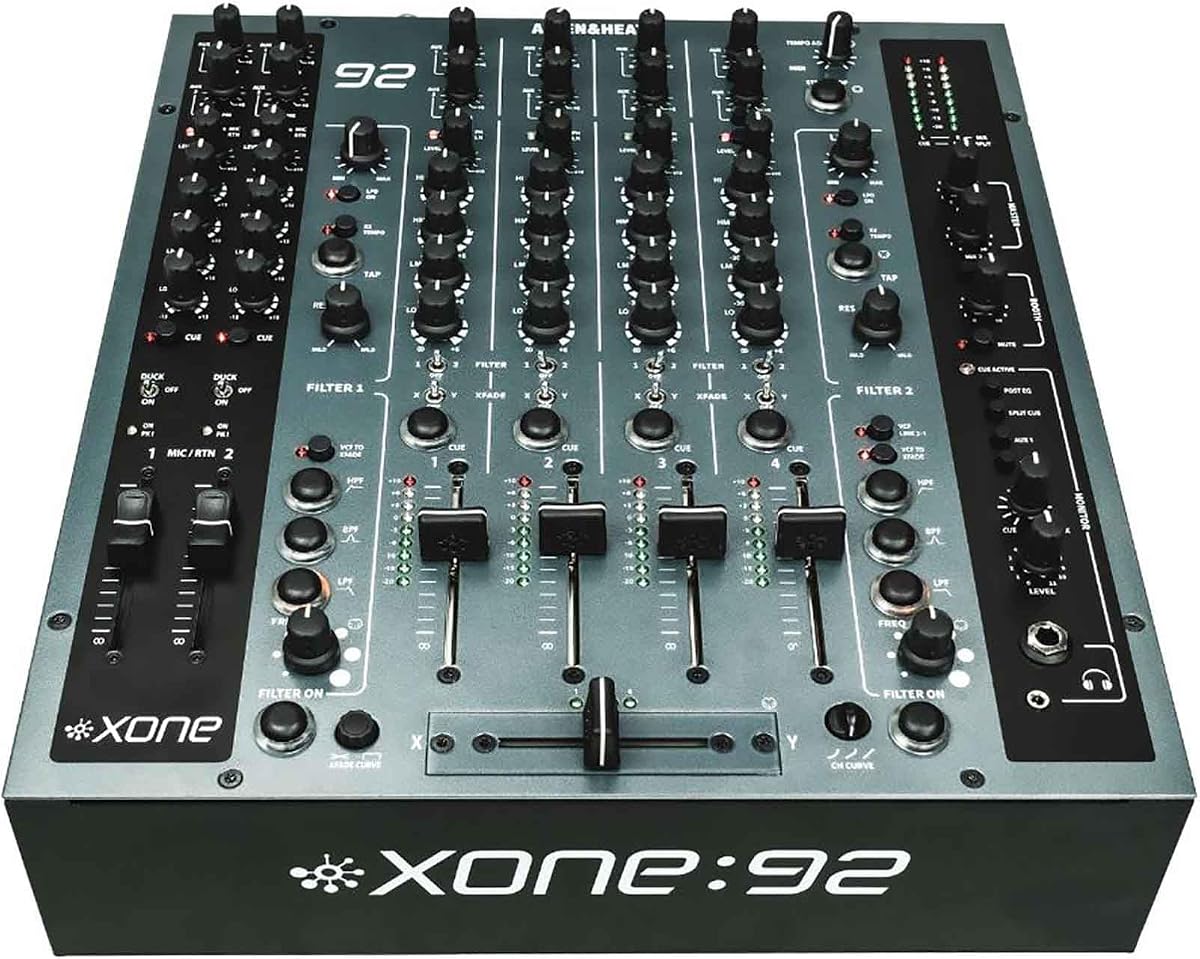
The Allen & Heath Xone:92 Mk2 delivers advanced analog summing for professional DJs. Its four channels feature XONE:VCF switching and multimode filters for dynamic sound sculpting.
We may earn a commission when you buy through this link, at no additional cost to you.
The send and return connections integrate external FX easily. High quality analog circuitry ensures minimal noise and clear signal paths throughout the signal chain.
It includes robust booth and record outputs for flexible routing. The build quality and sound fidelity match its high-end positioning.
Best for DJs requiring sophisticated analog control and filtering. It remains a top choice for clubs and touring setups demanding reliability.
Two filters per channel offer deep control over frequency shaping.
Send and return connections allow seamless use of external effects.
We may earn a commission when you buy through this link, at no additional cost to you.
The Allen & Heath Xone:43 provides high performance analog summing with four plus one channels. Its Xone VCF system includes high-pass and low-pass filters with resonance control.
We may earn a commission when you buy through this link, at no additional cost to you.
Send and Return connections allow integration of external FX units. The Innofader compatibility adds flexibility for DJs using different crossfader styles.
It offers dedicated booth and record outputs for clean signal routing. The build quality and sound fidelity match its high-end positioning.
Ideal for DJs seeking value without sacrificing analog quality. Its reliability and features make it a strong contender in its category.
Provides dynamic and smooth frequency transitions for professional mixes.
External effects can be routed easily to enhance the mix.
We may earn a commission when you buy through this link, at no additional cost to you.
The Mackie 1202VLZ4 Compact Analog Mixer excels as a robust studio summing tool. Its twelve high-margin line inputs and Onyx mic preamps ensure clear signal capture.
We may earn a commission when you buy through this link, at no additional cost to you.
The three-band EQ and low-cut filter on each channel give precise control over tone. It offers a wide dynamic range and low noise for professional results.
Routing options include aux sends and stereo feedback sections. The solid metal chassis ensures durability for frequent studio use.
Perfect for live sound and recording environments needing reliable analog summing. Its quality and flexibility justify its top ranking in this guide.
Delivers clean gain and low noise for superior vocal and instrument capture.
Extensive connections allow flexible routing for complex monitoring setups.
We may earn a commission when you buy through this link, at no additional cost to you.
The Solid State Logic BiG SiX brings console-grade SuperAnalogue sound to hybrid setups. It serves as both a mixing console and a USB audio interface.
We may earn a commission when you buy through this link, at no additional cost to you.
Its stereo master bus compressor and dynamics channel processing enhance the overall mix. The comprehensive monitoring section supports flexible listening environments for engineers.
With 24-bit converters and high channel count, it delivers high fidelity summing. The build quality reflects its professional positioning and long-term value.
Best for producers seeking an all-in-one analog console experience. It bridges the gap between digital workflows and analog summing perfectly.
Provides low noise and high headroom for pristine audio quality.
Adds glue and punch to the final mix output.
We may earn a commission when you buy through this link, at no additional cost to you.
The Yamaha MG10 offers a compact and reliable analog summing solution for small studios. Its ten-channel design features studio-grade discrete class-A D-PRE preamps for natural sound.
We may earn a commission when you buy through this link, at no additional cost to you.
The 1-Knob compressors provide easy control over dynamics for guitars and vocals. It includes high-pass filters to eliminate unwanted low-frequency noise effectively.
Built with a rugged metal chassis, it ensures durability for transport. The simplicity allows quick setup without complex configuration steps.
Ideal for small bands needing a durable and simple mixer. Its analog clarity makes it a trusted choice for live and recording summing.
Deliver natural and transparent sound with low noise and distortion.
One-knob compressors allow quick adjustments for dynamic tracks.
We may earn a commission when you buy through this link, at no additional cost to you.
Selecting the right analog summing mixer involves evaluating channel count, circuit quality, and workflow needs. This guide breaks down key factors to help you make an informed decision.
Consider how many inputs you need today and in the future. Some mixers like the Neve 8816 offer sixteen channels, while others like the Radial Mix 2:1 are limited to two.
Match the mixer size to your typical project complexity to avoid bottlenecks later.
Transformers in devices like the Neve 8816 add warmth and isolation. Active designs may offer more gain and flexibility but can introduce more noise.
Choose transformers if you want harmonic color and robust signal integrity.
Look for multiple outputs like main, alternate, and booth connections. Good monitoring sections help during mix decisions and client reviews.
Ensure the mixer supports your preferred speaker and headphone setup.
Metal chassis and high-quality potentiometers extend the life of your mixer. DJ mixers like the Headliner R4 emphasize robust enclosures for travel.
Prioritize build quality if you plan to transport or use frequently.
Check XLR and RCA connectors to match your audio interface and gear. Some models like the Mackie Onyx include USB for multi-track workflows.
Make sure the connections fit your current studio or live environment.
Different brands offer distinct sounds; Neve is known for warmth while SSL is known for clarity. Read reviews to understand the tonal signature.
Pick a mixer whose sonic character matches your genre and style.
Entry-level passive mixers cost far less than professional summing consoles. Define your budget but remember quality affects long-term satisfaction.
Invest in units that provide lasting performance rather than temporary fixes.
DJs may prefer rotary knobs and filters for live control while producers may want full EQ and bus options. Align the mixer features with your primary use.
Ensure the interface supports your typical workflow and mixing habits.
Connect your outputs to the mixer inputs and set levels carefully to avoid clipping. Start with moderate gain and adjust as needed to maintain headroom.
Use monitoring sections to listen through different speaker outputs for accurate mix decisions. Headphones should be calibrated to your room's acoustic environment.
Regularly clean controls and inspect connectors for wear. Store the unit in a cool dry place to ensure longevity and optimal performance.
An analog summing mixer combines multiple audio channels into a single bus using analog circuitry. This adds warmth, depth, and glue that digital plugins sometimes lack. It is common in hybrid studios mixing digital tracks.
Yes, they can improve sound by adding harmonic saturation and smoothing transients. The result is often a more natural and cohesive mix. This is especially noticeable with layered digital tracks.
While DJ mixers offer analog summing, they are optimized for performance features like filters and crossfaders. Studio summing mixers often provide better routing and channel EQ options. Choose based on your primary workflow.
It depends on your typical track count. Eight channels work for many projects but sixteen offers more flexibility. Ensure you leave room for expansion as your needs grow over time.
Some passive models do not need power while active units do. Check the power requirements before purchase to ensure your studio setup supports it. Passive models are simpler to use but offer fewer controls.
Transformers offer a warmer sound and better isolation at the cost of price and size. Active circuitry is lighter and offers more gain control. Choose based on your sonic preferences and space constraints.
XLR and TRS inputs are standard for microphones and line sources. Ensure your mixer matches your interface outputs to avoid conversion issues. Check connector types for your most used gear.
They offer distinct benefits but do not fully replace software tools. Using both provides flexibility with analog warmth and digital precision. Many engineers use them to enhance final mixes.
Our top picks include the Radial Mix 2:1 for budget users and the Mackie 1202VLZ4 for studio flexibility. The Neve 8816 leads premium options with its transformer design.
Prioritize channel count, build quality, and sonic character when selecting. Match the mixer to your workflow to ensure it becomes a valued part of your setup.
Always check current availability and verify connector types before purchase. Prices and specs may change so confirm details directly with retailers.