
LEKATO MIDI Cable
4.5Editor score
USB-C connection
Plug and play
Low latency
This guide compares the top ten MIDI interface for Mac options to help musicians choose the right gear for recording music and editing tracks on macOS.
Choosing the right MIDI interface for Mac is essential for musicians who want to connect keyboards and synthesizers to their computers. A good interface ensures low latency and reliable data transmission.
We evaluated ten products based on compatibility, features, and user feedback. This list covers dedicated MIDI adapters and audio interfaces with MIDI capabilities for various studio needs.
Each pick highlights key strengths and ideal use cases for Mac users. Prices may change over time so verify current offers before purchasing your preferred equipment.
4.5Editor score

4.6Editor score

4.5Editor score
This comparison table lists the top ten MIDI interfaces for Mac users side by side. Review the specifications and features to find the best match for your workflow.




The CME U6MIDI Pro is a top-rated interface with a 4.6 star rating. It stands out for its 3-in-3-out configuration that supports complex setups.
We may earn a commission when you buy through this link, at no additional cost to you.
Its standout features include high-precision wired transmission with optical couplers for error-free synchronization. The interface handles MIDI timecode and MPE messages accurately.
While it requires software for advanced routing the basic connectivity is simple. The latency is close to zero which is critical for real-time performance.
Musicians needing a robust standalone or connected interface should choose this option. It fits well in professional Mac-based studios requiring reliable MIDI.
The interface uses high-speed optocouplers to ensure data accuracy and prevent signal dropout during critical recording sessions.
With three inputs and outputs plus USB-C it connects easily to keyboards, synths, and computers without needing extra adapters.
We may earn a commission when you buy through this link, at no additional cost to you.
The LEKATO MIDI Cable offers excellent value with a 4.5 star rating. It is a simple 1-in-1-out solution for connecting keyboards to Mac.
We may earn a commission when you buy through this link, at no additional cost to you.
It uses bare copper material for strong conductivity and resistance to interference. The intelligent LED indicators show power and signal transfer clearly.
Some users might need more ports but this cable covers the basics well. The plug and play design removes the need for driver installation.
Beginners looking for a cheap reliable connection will appreciate this interface. It works well with standard MIDI setups on macOS systems.
The copper material and EMI resistance ensure rapid safe data transmission without signal damage or delays.
Red and blue LEDs help users quickly verify power and connection status during troubleshooting.
We may earn a commission when you buy through this link, at no additional cost to you.
The Focusrite Scarlett Solo 4th Gen is a high-end audio interface with MIDI capabilities rated 4.6 stars. It brings studio sound to any location.
We may earn a commission when you buy through this link, at no additional cost to you.
It uses flagship converters with a 120dB dynamic range. Air mode adds harmonic drive to vocals and guitars for a signature sound.
The included software suite helps users start recording immediately. The higher price reflects professional features beyond basic MIDI.
Producers needing audio and MIDI in one device should choose this. It delivers top-tier sound quality for Mac-based music production.
The improved Air mode lifts instruments to the front of the mix adding rich harmonic drive.
A full collection of record-making plugins is included to help create professional tracks right away.
We may earn a commission when you buy through this link, at no additional cost to you.
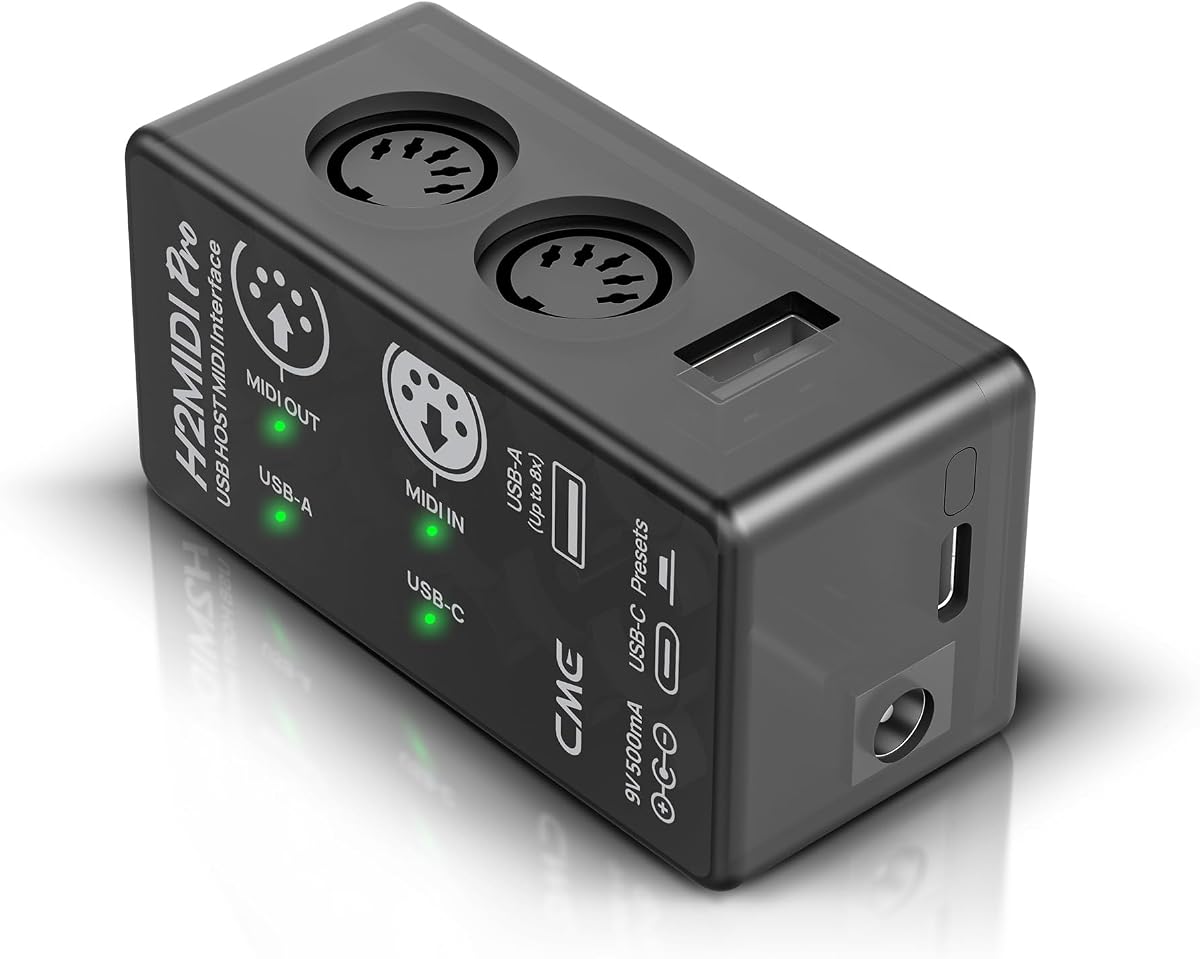
The CME H2MIDI Pro is rated 4.4 stars and supports USB host functionality. It allows connecting USB MIDI devices to 5-pin DIN hardware.
We may earn a commission when you buy through this link, at no additional cost to you.
Its 32-bit processor ensures high-precision transmission for complex messages. The device works on Mac and Windows with 2-in-2-out ports.
The standalone mode is unique for mobile performances without a PC. The software allows precise routing and filtering for advanced control.
Musicians needing a hybrid of legacy and modern hardware will find this useful. It bridges gaps between USB and DIN setups effectively.
Connect USB class-compliant devices to traditional MIDI hardware without needing a computer for routing.
High-precision transmission handles clock, sysex, and MTC with unparalleled accuracy for modern workflows.
We may earn a commission when you buy through this link, at no additional cost to you.
The FORE T1 MIDI USB is rated 4.4 stars and offers a simple 1-in-1-out connection. It is designed for easy integration with Mac and iOS.
We may earn a commission when you buy through this link, at no additional cost to you.
It uses a high-performance FTP processing chip for stable fast data transmission. Intelligent LEDs show power and signal status clearly.
The USB bus-powered design removes need for external power. However note that the USB A-C adapter is not included in the package.
Mobile musicians looking for a compact reliable option should consider this. It works well with standard DAWs and software instruments.
The FTP processing chip ensures stable and fast MIDI data transmission without delay or dropouts.
Blue and red lights help users monitor power and connection status easily during setup.
We may earn a commission when you buy through this link, at no additional cost to you.
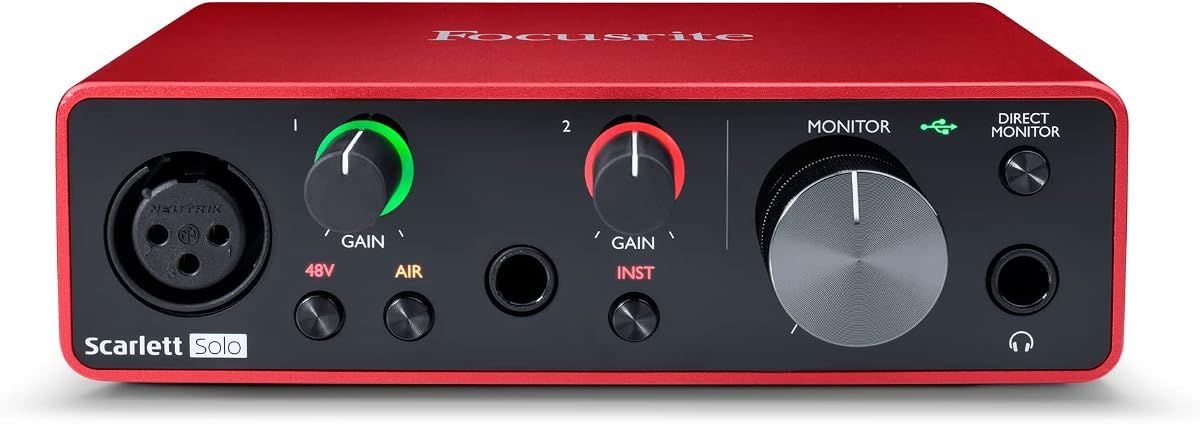
The Focusrite Scarlett Solo 3rd Gen is rated 4.6 stars and offers a reliable audio and MIDI solution. It features high-performance pre-amps.
We may earn a commission when you buy through this link, at no additional cost to you.
Air mode adds clarity to acoustic instruments during recording. Gain halos help avoid clipping with a clear visual cue for levels.
The 3rd Gen model is older than the 4th Gen but still delivers pro sound. Software includes industry-leading tools to start recording right away.
Home studios needing a trusted brand with pro features should pick this. It balances quality and price well for Mac users.
High performing mic pre-amps achieve brighter recording with Air mode for clarity.
Visual indicators help prevent unwanted clipping or distortion during vocal or instrument takes.
We may earn a commission when you buy through this link, at no additional cost to you.
The FORE MIDI USB Type-C is rated 4.4 stars and provides a simple 1-in-1-out MIDI interface. It connects devices easily to Mac and iOS.
We may earn a commission when you buy through this link, at no additional cost to you.
High-performance FTP chip ensures stable transmission without delay. LED indicators show power and signal status clearly for troubleshooting.
Like the T1 model the USB A-C adapter is not included. This is a budget-friendly option for basic MIDI connections.
Users wanting a basic reliable adapter will find this suitable. It works with major DAWs like Cubase and FL Studio.
The FTP chip and multi-layer protection ensure rapid safe transmission without signal damage.
Truly plug and play design removes driver installation for quick connection to computers.
We may earn a commission when you buy through this link, at no additional cost to you.
The PIYONE Audio Interface is rated 4.3 stars and offers 2X2 channels for recording. It supports 24-bit/192kHz high-fidelity audio on Mac.
We may earn a commission when you buy through this link, at no additional cost to you.
It includes combo jacks with 48V phantom power for microphones. Direct monitor allows zero-latency tracking during recording sessions.
The alloy red design adds style and LED rings on knobs for visibility. Loopback and monitor mix provide extra flexibility for streaming.
Vocalists and instrumentalists needing audio recording should consider this. It provides professional fidelity with simple setup.
Capture every nuance with 24-bit/192kHz resolution for crystal-clear low-noise recordings.
Combo jacks handle XLR mics or Hi-Z instruments with phantom power for demanding mics.
We may earn a commission when you buy through this link, at no additional cost to you.
The Focusrite Scarlett 2i2 4th Gen is rated 4.5 stars and offers two mic inputs with Auto Gain. It brings big studio sound to any location.
We may earn a commission when you buy through this link, at no additional cost to you.
Clip Safe prevents clipping so you focus on music. Air mode lifts vocals and guitars to the front of the mix.
With two instrument inputs it supports duo recordings or complex setups. The software suite includes Pro Tools Intro and Ableton Live Lite.
Producers needing multiple inputs and auto features should choose this. It delivers flagship quality with ease of use.
Auto Gain sets the perfect level for mic or guitar so you never lose a great take.
Clip Safe prevents clipping during loud peaks so you can focus on the music performance.
We may earn a commission when you buy through this link, at no additional cost to you.
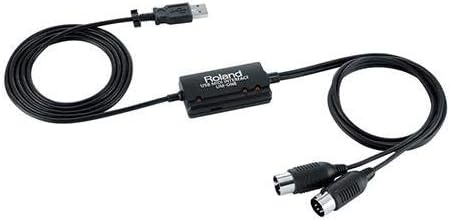
The Roland UM-ONE-MK2 is rated 4.5 stars and offers a robust One-in/Two-out solution. It uses high-performance FPT for tight clock timing.
We may earn a commission when you buy through this link, at no additional cost to you.
Visual data indicators help monitor signal flow easily. The integrated cable design streamlines connectivity without needing adapters.
Roland is a pioneer of PC MIDI technology and this unit is compact and affordable. It works on Mac Windows and iPad.
Users needing a trusted brand with visual feedback will like this. It balances reliability and simplicity for basic MIDI needs.
Indicators for both input and output help monitor signal flow and data status clearly.
Conveniently integrated USB and MIDI cables streamline connectivity without extra adapters.
We may earn a commission when you buy through this link, at no additional cost to you.
This guide covers key factors to consider when selecting a MIDI interface for Mac to ensure compatibility and performance.
Interfaces connect via USB-C or standard USB-A. Verify your Mac has the correct port or get an adapter before buying.
USB-C offers faster data transfer and modern power delivery for bus-powered interfaces.
Choose 1-in-1-out for simple setups or 3-in-3-out for multiple keyboards and synths. More ports allow parallel recording.
Consider standalone or USB host features if you need to route without a computer.
Low or zero latency ensures your sound matches input in real time. Look for mentions of zero jitter in product specs.
High-performance chips like FPT or optical couplers help maintain consistent timing.
Plug-and-play interfaces work without installing software drivers. This simplifies setup on macOS systems.
Check if free routing software is included for advanced MIDI message filtering.
Interfaces with multi-layer protection and resistance to electromagnetic interference ensure reliable signal transmission.
Alloy or durable materials protect against wear and tear in studio environments.
Ensure the interface supports macOS versions like Sequoia and Sonoma. Some legacy models may need updates.
Universal support for iOS and Linux is a bonus for hybrid studio setups.
Audio interfaces with MIDI ports allow simultaneous audio and MIDI recording. Consider if you need mic or guitar inputs.
Higher-end models provide better dynamic range and pre-amp quality for vocals.
Reputable brands offer warranties ranging from one to three years. Support channels are vital for troubleshooting.
Lifetime software updates add long-term value for the interface tools.
Connect the interface to your Mac via USB-C and allow system permissions for device access. This ensures macOS recognizes the MIDI port immediately.
Open your DAW and select the interface in MIDI preferences. If routing software is provided install it to enable filters and splits.
Protect cables from sharp bends and store them in a dry place. Regularly check LED indicators to confirm stable connection during use.
Most modern interfaces are plug-and-play and work without drivers. Check the product description to confirm if software is required for routing.
Many USB-C interfaces work with iPad if they are bus-powered. You may need an Apple Camera Connection Kit for USB-A models.
Zero latency ensures the sound matches your input in real time. This is critical for live performance and tight recording sessions.
Yes many audio interfaces include MIDI IN and OUT ports. These allow you to record MIDI and audio simultaneously in one box.
Optical couplers prevent electrical interference and data errors. They ensure accurate synchronization between digital instruments and computers.
Interfaces with multiple ports like 3-in-3-out can connect several keyboards. You may need a MIDI splitter or hub for more devices.
We reviewed ten top MIDI interfaces for Mac including options from CME Focusrite and Roland. Each pick offers unique strengths for different workflows.
Prioritize connection type and port count based on your needs. Low latency and plug-and-play simplicity should guide your final choice.
Verify current availability and pricing before purchasing. Prices may change so check the official product pages for latest offers.