
iDPRT SP310
4.0Editor score
Native Linux driver support
203 DPI print resolution
Unlocked label compatibility
Finding a reliable label printer that works seamlessly with Linux systems can be challenging. Many manufacturers prioritize Windows and macOS, leaving open-source users with limited options. This guide identifies models that offer strong driver support and compatibility across various distributions.
We have evaluated ten top-rated label printers based on their connectivity options, print quality, and software ecosystems. Each product was scrutinized for its ability to handle thermal printing tasks while maintaining stable connections with Linux environments. Our analysis covers both budget-friendly and professional-grade solutions.
Each selection highlights specific strengths, such as USB stability or Bluetooth flexibility, tailored to different workflow needs. Prices and availability may change over time, so checking the latest listings is advisable before making a purchase. Read on to discover which printer fits your specific Linux setup best.
4.0Editor score
4.6Editor score

4.4Editor score
As an Amazon Associate we earn from qualifying purchases.
This side-by-side comparison highlights the key specifications and capabilities of each selected label printer. We focus on connectivity methods, print resolution, and software flexibility to help you determine which device aligns best with your Linux operating system requirements.


The iDPRT SP310 stands out as the most Linux-friendly option in this roundup. It offers dedicated drivers for various Linux distributions, making it easier to integrate into open-source environments. With a print speed of 4 ips and high resolution, it handles heavy printing tasks efficiently.
We may earn a commission when you buy through this link, at no additional cost to you.
Its USB connection ensures a stable link without the dropouts often associated with wireless setups. The open system design allows users to use third-party labels, reducing long-term costs. This flexibility is crucial for small businesses looking to optimize their printing workflow without proprietary restrictions.
While the software for designing labels is primarily for Windows and Mac, the hardware itself functions well with Linux via standard printing protocols. Users may need to rely on PDF workflows or alternative design tools, but the core printing performance remains robust and reliable for daily operations.
This printer is ideal for users who prioritize hardware compatibility over native design software. If you need a reliable workhorse for shipping or inventory labels on a Linux machine, the SP310 offers the best balance of speed, stability, and open system access.
The manufacturer provides specific drivers for Linux systems, ensuring smooth installation and recognition by the operating system.
Unlike many competitors, this model does not enforce proprietary microchip roll limitations, allowing use of any compatible brand.
We may earn a commission when you buy through this link, at no additional cost to you.
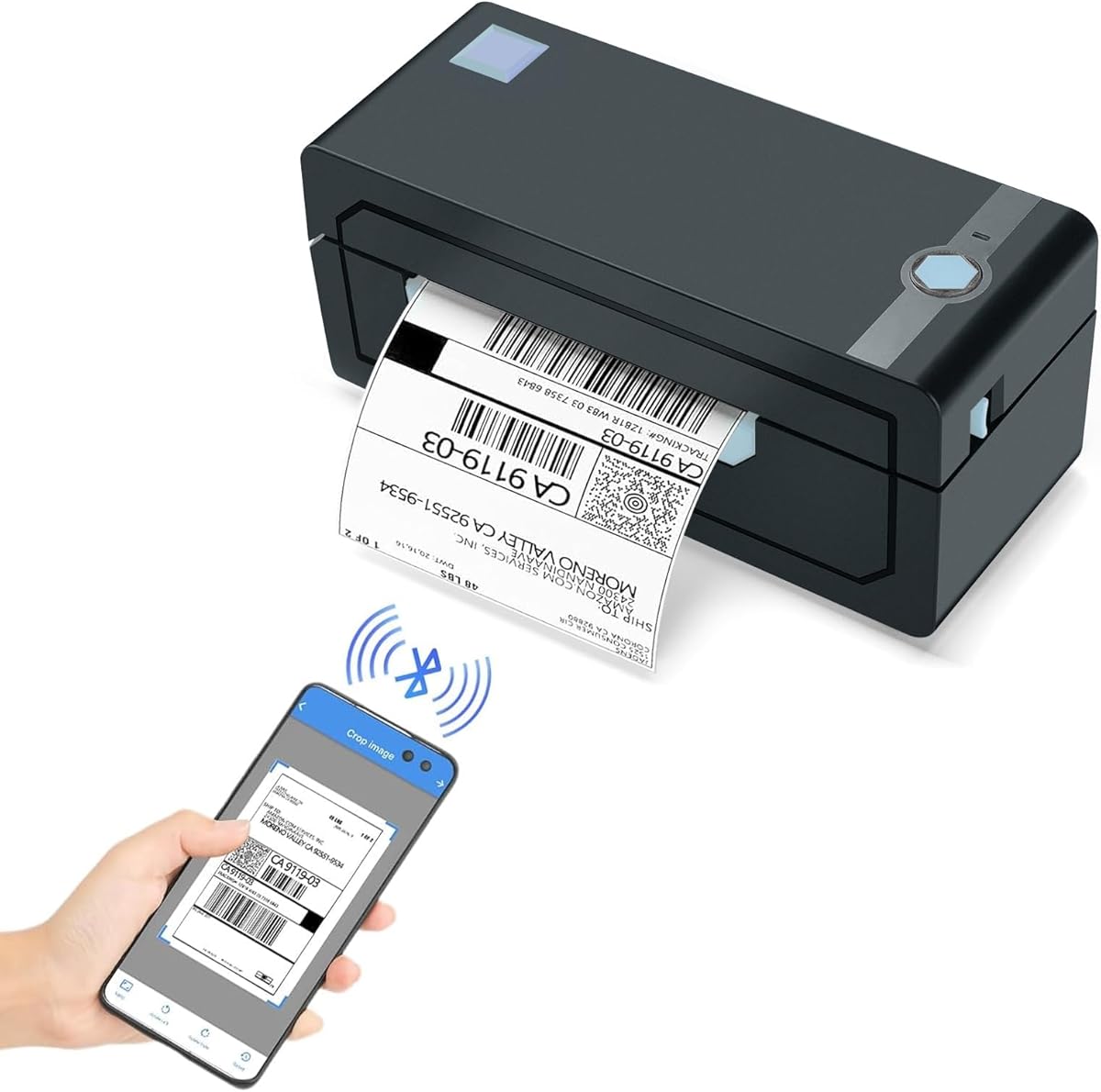
The JADENS Bluetooth Thermal Printer offers an accessible entry point for those needing label printing capabilities. While primarily marketed for Windows and Mac, its USB connection can be adapted for Linux users who rely on standard print protocols. The thermal technology ensures clean printing without ink or toner.
We may earn a commission when you buy through this link, at no additional cost to you.
Its ability to switch between fanfold and roll labels provides versatility for different packaging needs. The wireless feature allows for printing from mobile devices, though this requires using their specific app. For desktop users, the USB cable provides a more stable connection for consistent output.
Linux compatibility may require some troubleshooting compared to models with explicit driver support. Users might need to configure system settings manually to ensure the device is recognized. However, the hardware quality and print resolution remain competitive for the price, making it a strong budget contender.
Consider this model if cost is your primary concern and you are comfortable with potential driver configuration. It delivers solid performance for occasional shipping tasks, especially if you already use a compatible computer setup for designing your labels.
This printer accepts both roll and fanfold labels, giving users flexibility in how they stock and use labeling materials.
Direct thermal printing eliminates the need for consumables like ink or toner, reducing ongoing operational costs.
We may earn a commission when you buy through this link, at no additional cost to you.
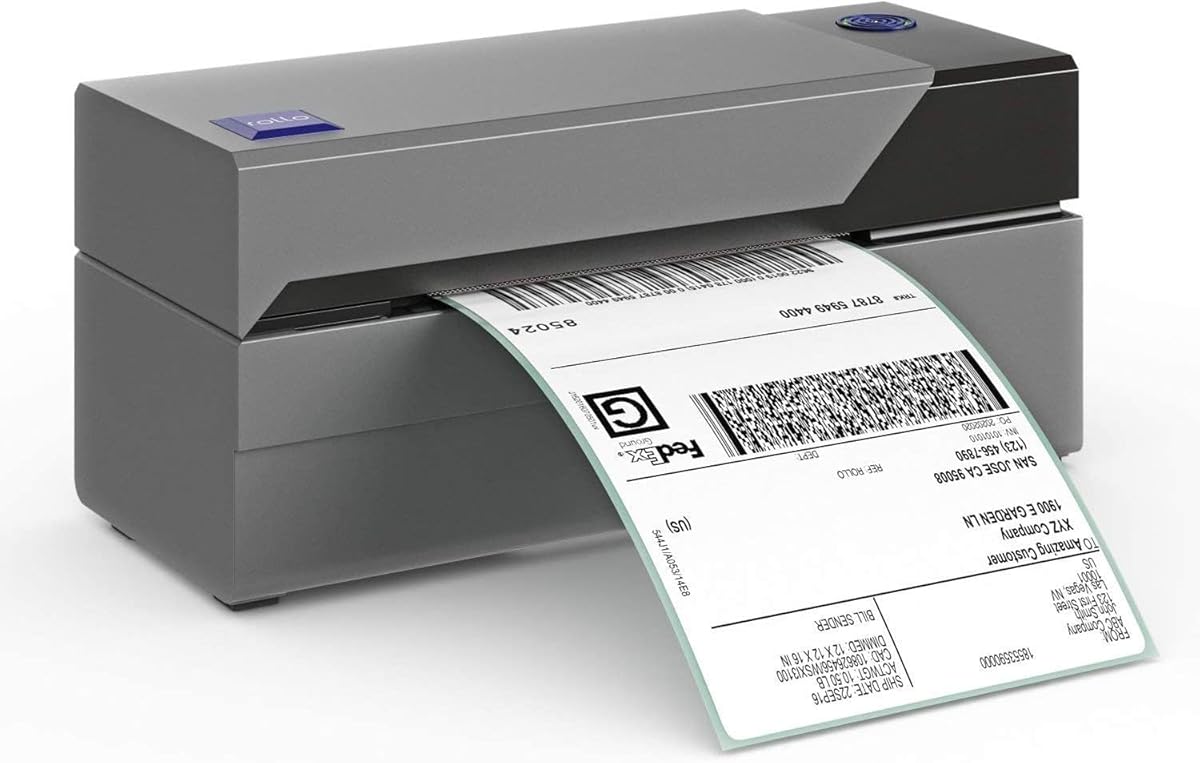
The Rollo USB Shipping Label Printer is built for high-volume environments where reliability is paramount. Its commercial-grade construction ensures it can handle continuous printing sessions without overheating or jamming. The direct thermal technology produces clear, scannable labels every time.
We may earn a commission when you buy through this link, at no additional cost to you.
With a print speed of 150mm per second, this model significantly reduces wait times for large batches of shipping labels. The USB-only connection simplifies troubleshooting, as wireless interference is eliminated. This stability is particularly valuable in busy warehouses or distribution centers.
While it lacks Bluetooth features, its integration with major shipping platforms makes it a versatile tool for e-commerce sellers. Linux users may find the drivers less straightforward than those for Windows, but community support and generic CUPS drivers often work well.
If you need a robust solution for daily shipping operations, the Rollo offers unmatched durability and speed. The investment pays off through reduced downtime and consistent label quality, ensuring your packages are processed efficiently and accurately.
Designed for heavy use, this printer withstands continuous operation better than consumer-grade alternatives.
Compatible with major shipping services like FedEx, UPS, and USPS, streamlining the label generation process.
We may earn a commission when you buy through this link, at no additional cost to you.
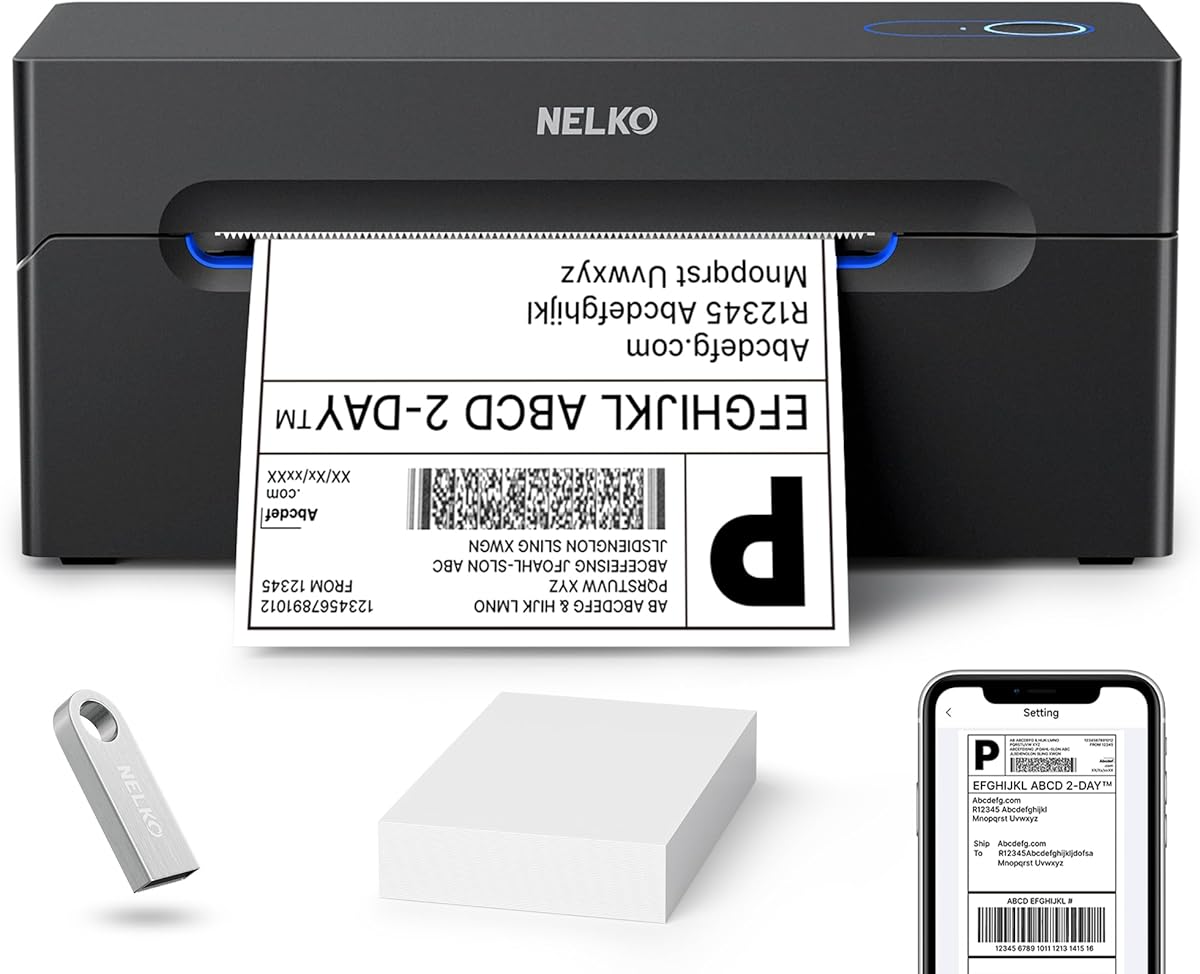
The Nelko Bluetooth Thermal Printer combines compact size with effective printing capabilities. It supports USB connectivity for desktop computers, which can be adapted for Linux systems. The Bluetooth feature allows for printing from mobile devices via the dedicated app, enhancing flexibility for on-the-go tasks.
We may earn a commission when you buy through this link, at no additional cost to you.
Its thermal printing engine delivers clear text and barcodes at 203 DPI. The label width range accommodates standard shipping labels as well as smaller asset tags. This versatility makes it suitable for both home and small business environments.
Linux users should rely on the USB connection for consistent performance. The Bluetooth app is primarily designed for mobile operating systems, so desktop printing requires the cable. However, the hardware is reliable and easy to set up with standard drivers.
This model is a good choice for users who need occasional mobile printing without sacrificing desktop stability. Its small footprint saves space, and the thermal technology keeps operational costs low.
The small design allows the printer to fit easily on crowded desks or in limited workspace areas.
Wireless printing from mobile devices is handled through a dedicated app, streamlining on-the-go label creation.
We may earn a commission when you buy through this link, at no additional cost to you.
The Brother P-touch CUBE Plus is designed for creating small, customized labels for office and home organization. It connects via Bluetooth to mobile devices and desktops, offering significant flexibility. The built-in battery allows for true portability, making it easy to print labels anywhere.
We may earn a commission when you buy through this link, at no additional cost to you.
It supports a wide range of TZe tapes, including premium options like glitter and matte finishes. The software ecosystem provides templates for various uses, from asset tags to decorative labels. This makes it ideal for labeling shelves, folders, and personal items.
Linux compatibility is limited to USB connections since Bluetooth support on Linux can be complex. However, the Brother P-Touch Editor software works on Linux via Wine or alternative methods for some users. The hardware itself is robust and produces high-quality output.
Choose this model if you need a dedicated device for small-scale labeling rather than shipping. Its portability and tape variety make it a powerful tool for organization tasks in any environment.
A built-in rechargeable battery allows you to use the printer away from a power source for convenience.
Access a variety of fonts and pre-designed templates to create stylish labels for various applications.
We may earn a commission when you buy through this link, at no additional cost to you.
The Brother QL-700 is a professional-grade printer capable of handling large volume printing tasks. It produces up to 93 labels per minute, ensuring quick turnaround for shipping or inventory needs. The auto cutter provides precise cuts for single or multiple labels at a time.
We may earn a commission when you buy through this link, at no additional cost to you.
It supports continuous-length paper and film tapes, allowing for banners and signs up to 3 feet long. This flexibility is useful for larger labeling projects beyond standard labels. The print quality is sharp, making text and barcodes easy to read and scan.
Linux users may need to install specific drivers to unlock full functionality, but CUPS support is generally available. The device is designed for desk use, so it requires adequate space. Its professional build ensures longevity even with frequent daily use.
Ideal for businesses needing high throughput and consistent quality, the QL-700 delivers performance that justifies its price. The automatic cutter saves time and ensures every label looks neat and professional.
The built-in cutter automatically trims labels to size, saving time and ensuring a clean presentation.
Support for continuous paper allows printing long banners or multi-part labels without manual cutting.
We may earn a commission when you buy through this link, at no additional cost to you.
The Brother QL-570 offers a balance of performance and affordability for professional use. It prints at speeds up to 68 labels per minute, which is sufficient for most small business needs. The high resolution ensures that text and graphics appear sharp and detailed.
We may earn a commission when you buy through this link, at no additional cost to you.
It comes with P-Touch Label Creation software, which helps in designing custom labels. The printer uses drop-in rolls, making it easy to maintain. The design is robust, built to handle regular office or small business tasks without issues.
Linux compatibility can be achieved through USB connections and standard drivers. The QL-570 is less expensive than the QL-700 but still provides professional quality. It is a solid choice for those who need reliable labeling without the highest speed requirements.
If you prioritize print quality and cost efficiency, the QL-570 is a strong option. It handles various label types and sizes effectively, supporting a wide range of business applications.
Comes with P-Touch software to help design labels quickly with templates and easy editing tools.
Designed for easy loading of label rolls, reducing downtime and simplifying maintenance tasks.
We may earn a commission when you buy through this link, at no additional cost to you.
The SUPVAN T50M Pro is designed for home and small business labeling needs. It prints labels ranging from 3/4 inch to 2 inches wide. The device connects via Bluetooth, allowing for easy editing and printing from mobile devices. The included starter tapes provide immediate value for new users.
We may earn a commission when you buy through this link, at no additional cost to you.
The free app offers a variety of fonts, frames, and icons for customization. It supports various label shapes, including round and square options. This makes it suitable for labeling cables, jewelry, and office supplies effectively.
Linux compatibility is not explicitly mentioned, but USB connections may work with standard drivers. However, the Bluetooth app experience is primarily for mobile systems. For home use, the wireless convenience often outweighs desktop limitations.
This model is perfect for organizing your home or small workspace. The ease of use and tape variety make it a practical choice for anyone looking to label items quickly.
Includes three types of tapes to help you get started immediately without extra purchases.
The free app provides extensive customization options including fonts, frames, and icons for unique labels.
We may earn a commission when you buy through this link, at no additional cost to you.
The ETIKEZ Bluetooth Thermal Printer focuses on mobile connectivity for shipping tasks. It works with the Labelnize app on Android and iOS devices, allowing seamless printing on the go. For desktop use, a USB connection is required, which can work on Linux with proper driver configuration.
We may earn a commission when you buy through this link, at no additional cost to you.
Its 203 DPI resolution ensures clear and scannable labels for shipping and inventory. The compact design allows it to fit in small spaces like home offices or storage corners. It supports various label sizes and major courier platforms.
Linux users should utilize the USB connection for reliable desktop printing. The mobile app is intuitive and easy to use, making it ideal for those who manage shipping primarily from their phones. The hardware is reliable for its price point.
This model is best suited for small sellers who need portability and simplicity. The combination of USB stability and mobile flexibility covers most basic labeling needs.
Its small footprint allows it to fit into limited spaces without taking up valuable desk area.
Works seamlessly with major shipping platforms to simplify the label generation process.
We may earn a commission when you buy through this link, at no additional cost to you.
The Brother P-Touch PT-D610BT is designed for business environments needing quick and accurate label creation. It features a large color LCD display for previewing labels before printing, reducing waste. The built-in QWERTY keyboard allows for direct input without needing a computer or phone.
We may earn a commission when you buy through this link, at no additional cost to you.
It stores up to 90 frequently used labels in memory for quick reprinting. The Bluetooth and USB connectivity options provide flexibility for connecting to various devices. The template library offers business-specific designs for asset management and inventory tracking.
Linux users can connect via USB for direct printing, though the standalone nature of the device minimizes OS dependency. The keyboard and display make it a self-contained solution for labeling tasks. It is robust and designed for daily professional use.
If you need a standalone unit that does not rely on a PC, this model excels. The display and memory features streamline the workflow for repetitive labeling tasks.
A full-color display lets you review your label design before printing to ensure accuracy.
Stores up to 90 frequent labels for quick access and reprinting without redesigning.
We may earn a commission when you buy through this link, at no additional cost to you.
Selecting a label printer for Linux requires careful consideration of hardware and software compatibility. This guide breaks down the key factors to help you make an informed decision.
Linux users must ensure the printer has dedicated drivers or works with standard CUPS protocols. Some manufacturers provide explicit support, while others may require community-driven solutions.
Check the manufacturer's website for Linux driver downloads before purchasing to avoid compatibility issues.
USB connections are generally more stable on Linux than Bluetooth, which can be complex to configure. Ensure your system has the necessary ports available for reliable data transfer.
Prioritize USB connectivity if you need consistent performance without wireless interference.
Resolution determines how sharp and clear your labels will appear. Most shipping labels require at least 203 DPI for barcode readability and professional aesthetics.
Choose a model with 203 DPI or higher to ensure all text and barcodes are scannable.
Verify that the printer supports the width of labels you need. Shipping labels typically require 4×6 inches, while organizational tasks may need smaller sizes.
Match the printer's width range to your primary labeling needs to avoid wasting materials.
Label designing software often targets Windows and macOS, so consider if you can work with PDFs or Linux-based design tools. Some printers offer hardware control without relying on host software.
Look for models that allow printing via standard PDF workflows if native software is lacking.
Commercial or professional-grade printers are built to withstand continuous use. Consider the expected volume of printing to determine if a more durable unit is necessary.
Invest in a robust build if you plan to print hundreds of labels daily.
Some printers enforce proprietary chip locks that limit you to expensive branded labels. Open systems allow the use of third-party label rolls, reducing long-term costs.
Select an unlocked system to save money on consumables over the printer's lifespan.
Start by installing the appropriate drivers for your Linux distribution. Use the manufacturer's package if available or check community repositories for open-source alternatives that support your device.
Ensure the label roll is loaded correctly, aligning the sensors with the media type you are using. Misalignment can lead to skipped prints or incorrect label positioning.
Clean the print head regularly with a soft cloth to maintain print quality. Avoid touching the thermal element with your fingers to prevent oil buildup that can affect output.
Bluetooth compatibility on Linux varies by printer and distribution. While some models support standard Bluetooth drivers, others may require specific apps that are not native to Linux. USB is generally the more reliable option for desktop use.
Most thermal label printers support CUPS, the standard printing system for Linux. You may need to configure the printer as a raw queue or use specific drivers for optimal performance depending on the model.
A 4×6 inch label is the standard for most shipping carriers like FedEx and UPS. Ensure your printer supports this width if you plan to use it for e-commerce shipments.
Open system printers allow the use of any compatible thermal label brand. Proprietary models may require specific branded rolls with embedded chips to function correctly.
Use a soft, lint-free cloth slightly dampened with isopropyl alcohol to gently wipe the thermal print head. Allow it to dry completely before resuming printing to avoid moisture damage.
Some models have community-developed open-source drivers available on platforms like GitHub. Check specific printer forums or repositories to find existing Linux support for your device.
We have highlighted top options that balance performance, connectivity, and cost. The iDPRT SP310 stands out for explicit Linux support, while the Rollo offers robust commercial-grade reliability for high-volume needs.
Prioritize USB connectivity and clear driver documentation to ensure smooth integration with your Linux setup. Avoid models that rely heavily on proprietary software not compatible with your system.
Always check the latest product listings and reviews before making a purchase. Prices and availability may change, so verifying current details helps ensure you get the best value for your requirements.