
DY-50 Intraoral Camera
4.5Editor score
Ergonomic design for upper lower capture
Driver included for capture button
Direct USB connection to computer
This guide compares the top 10 cameras for dental photography, including intraoral systems and DSLRs, to help you capture clear clinical images.
Capturing precise images of teeth and gums is essential for modern dentistry. A reliable camera system ensures patients see exactly what needs treatment, improving trust and case acceptance rates significantly.
We evaluated ten top-rated cameras based on image clarity, ease of use, and software compatibility. Our list includes dedicated intraoral units and versatile general-purpose cameras suitable for clinical documentation.
Each pick highlights unique strengths like portability, zoom range, or integration with common dental software. Keep in mind that product details and availability can change over time.
4.5Editor score
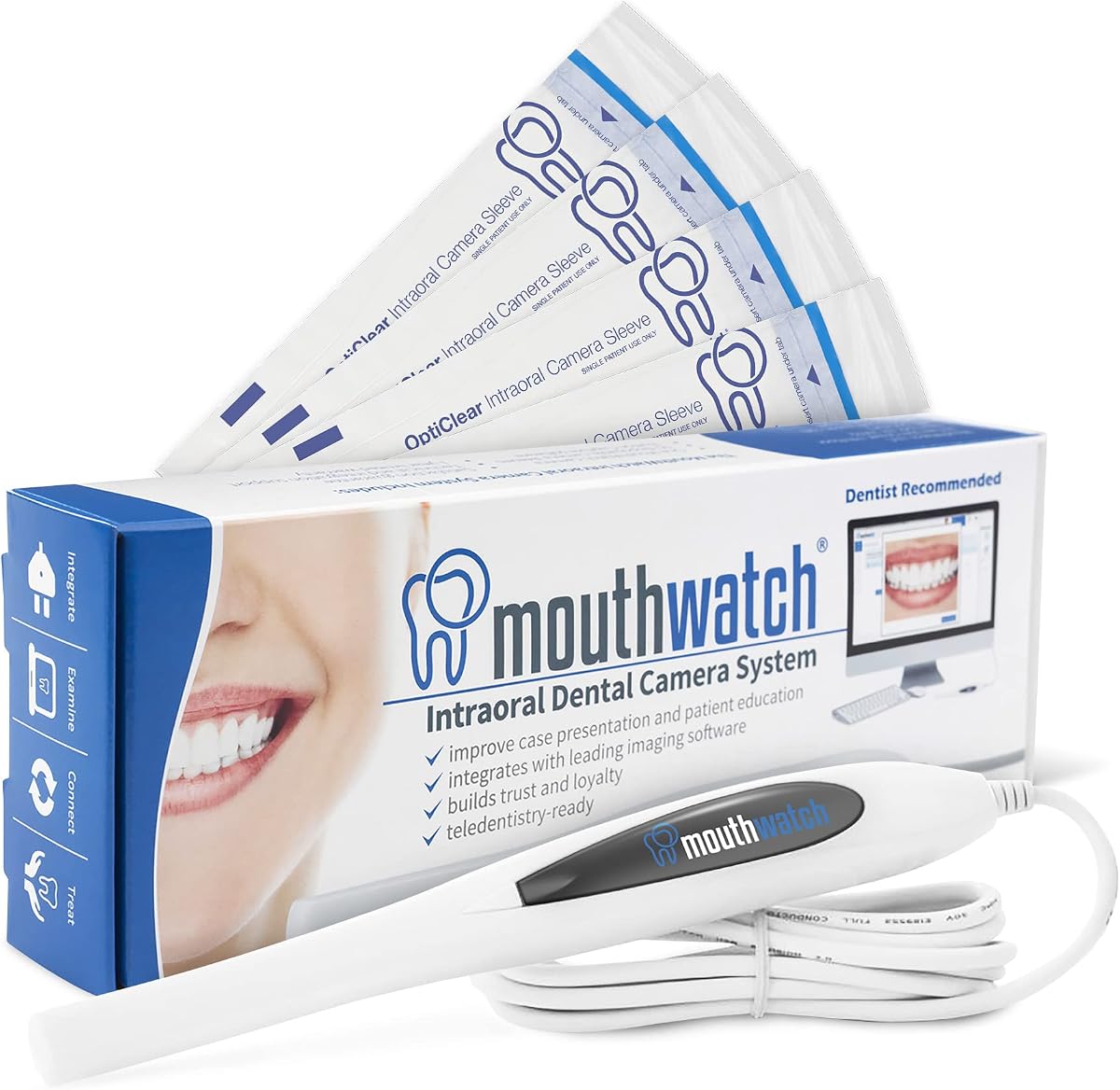
4.4Editor score

4.5Editor score
The following table provides a side-by-side comparison of the key features and specifications for each camera reviewed in this guide.


This intraoral camera is designed to capture crystal clear images that help patients understand their treatment needs. With a market-share leading design, it ensures efficient and clear communication between dental professionals and patients.
We may earn a commission when you buy through this link, at no additional cost to you.
Its 4mm-45mm fixed focal distance eliminates the frustration of manual focusing or auto-focus hunting, providing sharp and focused images every time. The quick one-button capture saves valuable time during patient interactions by instantly saving photos to the chart.
While it is lightweight and ergonomic for easy handling, users should note the fixed focal distance might limit flexibility in certain clinical scenarios. However, the ease of integration with over 50 major imaging solutions offsets this trade-off for most clinics.
Dental practices looking for a reliable and easy-to-integrate camera should consider this option. It streamlines workflow and enhances patient case acceptance through clear visual documentation.
Easily capture clear photos that help patients see the need for treatment, leading to better case comprehension and acceptance.
Save time with every patient interaction with a quick, lag-free click that saves photos immediately without needing a mouse or keyboard.
We may earn a commission when you buy through this link, at no additional cost to you.
The Canon EOS Rebel T7 offers a 24.1 Megapixel CMOS sensor that captures high-resolution images suitable for detailed dental documentation. Its built-in Wi-Fi and NFC technology allow for seamless transfer of photos to other devices for analysis or sharing.
We may earn a commission when you buy through this link, at no additional cost to you.
With an optical viewfinder and 9-point AF system, photographers can ensure sharp focus on specific dental areas. The included EF-S 18-55mm lens provides a versatile range for capturing various angles of the oral cavity when paired with appropriate macro attachments.
While not a dedicated intraoral unit, this DSLR offers exceptional image quality for clinical records that require high detail. The learning curve is gentle, making it accessible even for those new to digital photography in a dental setting.
Practices needing high-quality external photos or presentations may find this camera valuable. It balances professional image quality with ease of use and connectivity options.
The 24.1 Megapixel CMOS sensor captures stunning detail and vibrant colors essential for accurate clinical imaging.
Wi-Fi and NFC functions enable easy photo transfer to smartphones or tablets for quick sharing and documentation.
We may earn a commission when you buy through this link, at no additional cost to you.
This bundle includes the Canon EOS Rebel T7 camera along with essential accessories like a memory card and shoulder bag, making it a ready-to-use solution for dental photography. The 24.1MP APS-C CMOS sensor ensures vibrant colors and sharp details for clinical records.
We may earn a commission when you buy through this link, at no additional cost to you.
The camera's intuitive automatic settings are ideal for transitioning into DSLR photography without extensive technical knowledge. Built-in Wi-Fi and NFC allow for wireless sharing of images to mobile devices or computers effortlessly.
While it offers great value and image quality, its size may require a dedicated setup or tripod for consistent intraoral shots compared to handheld cameras. However, the expandable lens options provide flexibility for different documentation needs.
Clinics looking for a versatile camera system that grows with their needs will appreciate this kit. It combines essential accessories with powerful imaging capabilities.
Capture stunning, true-to-life photos with the 24.1MP APS-C CMOS sensor designed for vibrant colors and sharp details.
Enjoy effortless connectivity with built-in Wi-Fi and NFC for quick transfer of photos to your smartphone or tablet.
We may earn a commission when you buy through this link, at no additional cost to you.
The Canon EOS R50 features a 24.2 Megapixel CMOS sensor and a DIGIC X processor for stunning image clarity and level of detail. Its advanced autofocus system covers up to 100% of the area with 651 AF zones, ensuring sharp focus on critical areas.
We may earn a commission when you buy through this link, at no additional cost to you.
High-speed continuous shooting up to 15 fps allows for capturing rapid movements if needed, while the 4K video recording capability adds versatility for instructional or presentation content. The built-in Bluetooth and Wi-Fi make file transfer seamless.
While this is a premium option with advanced features, it may be more than necessary for basic static dental photography. However, for clinics requiring both stills and video documentation, it offers a modern and efficient solution.
Practices investing in high-quality documentation systems will benefit from its advanced technology and fluid video capture capabilities.
Dual Pixel CMOS AF II covers up to 100% of the area with 651 AF zones for precise tracking.
Video recording features such as 6K oversampled uncropped 4K movie at up to 30 fps.
We may earn a commission when you buy through this link, at no additional cost to you.
We Sony ZV-1 is equipped with a bright ZEISS lens and a powerful 20.1 MP 1-inch stacked Exmor RS CMOS sensor. It captures crisp detail with stunning background blur, ensuring vibrant and professional-grade results even in challenging light.
We may earn a commission when you buy through this link, at no additional cost to you.
Designed for content creators, it includes features like a product showcase mode and dedicated buttons for background defocus. The lightweight design makes it easy to handle for close-up documentation while maintaining professional image quality.
While primarily designed for video content, its still image capabilities are robust. However, the fixed lens might limit macro flexibility compared to interchangeable lens cameras unless specific adapters are used.
Clinics needing a portable and versatile camera for both video and stills may find this bundle valuable. It includes essential accessories like a card and tripod.
Equipped with a fast 24–70 mm f/1.8-2.8 ZEISS lens and a 20.1 MP sensor for crisp detail.
Intuitive controls and dedicated buttons make capturing content effortless with a lightweight design.
We may earn a commission when you buy through this link, at no additional cost to you.
This digital camera captures every detail with an 88MP high-resolution sensor and 8K video capability. The quick autofocus system locks focus in seconds, ensuring every shot is sharp and vivid for clinical documentation.
We may earn a commission when you buy through this link, at no additional cost to you.
It features dual lenses for flexible shooting angles and a 3.2-inch IPS touchscreen for intuitive control. The 16X digital zoom allows you to capture distant subjects with impressive clarity without needing extra lenses.
While the high resolution is promising, the image quality depends on the sensor technology used. It offers a cost-effective alternative for those needing high megapixel counts without the cost of premium brands.
Practices looking for a versatile and affordable option for general documentation might find this appealing. It includes two batteries and a charging stand for extended use.
Capture every detail in stunning clarity with 8K video and an 88MP high-resolution sensor.
Designed for easy content creation with front and rear dual lenses for flexible shooting angles.
We may earn a commission when you buy through this link, at no additional cost to you.
This intraoral camera offers crystal clear pictures and can be integrated into most North American imaging software. It comes with a capture button driver, making it easier to connect with popular dental management systems.
We may earn a commission when you buy through this link, at no additional cost to you.
The ergonomic design allows for easy photo capture from both upper and lower arches. With a direct USB connection, it requires no other hardware or software to function on supported Windows systems.
It is an affordable option for clinics needing basic intraoral imaging without extensive software integration. However, users must verify their software is supported in the provided list before purchasing.
Practices on a budget looking for straightforward functionality will appreciate this model. It provides reliable imaging with minimal setup.
Can be integrated into most North American imaging software for smooth workflow.
Make the capture button work in supported software without extra hardware.
We may earn a commission when you buy through this link, at no additional cost to you.
This dental camera offers 720P HD resolution with 4X zoom capability for detailed intraoral images. It is designed to work with many major dental imaging solutions including Dexis and Eaglesoft.
We may earn a commission when you buy through this link, at no additional cost to you.
The capture button driver is included to ensure functionality within supported software. It does not require a foot pedal, simplifying the setup process for immediate use.
While it provides good image clarity, the resolution is fixed at 720P. Users should consider if this meets their needs for documentation and patient communication compared to higher resolution options.
It is a practical choice for clinics needing a reliable and easy-to-use camera with zoom features.
Capture detailed images with 4X zoom for better visualization of oral structures.
Capture button driver included to work with many supported imaging systems.
We may earn a commission when you buy through this link, at no additional cost to you.
This multimedia intraoral camera system delivers ultra-smooth high-definition visuals for precise dental analysis. It features an integrated 17-inch touchscreen computer that allows seamless switching between full-screen and quad-split views.
We may earn a commission when you buy through this link, at no additional cost to you.
The system includes a 5mm ultra-slim intraoral camera that improves workflow efficiency when paired. With WiFi QR code functionality, patient photos can be transferred to any device in seconds.
While it offers a complete solution, the rating is currently unavailable which suggests it may be a new entry. However, the plug-and-play design minimizes setup time for clinics of all sizes.
Practices looking for an all-in-one imaging system might consider this for its integrated features.
Lets you seamlessly switch between full-screen and quad-split views for efficient documentation.
Transfer patient photos to any device in seconds with just a quick scan.
We may earn a commission when you buy through this link, at no additional cost to you.
This dental photography aid provides perfect lighting effects to show dental treatment results clearly. The light has fully adjustable brightness from zero to 100%, meeting all requirements of dental photography.
We may earn a commission when you buy through this link, at no additional cost to you.
Equipped with a support bar, it permits omni directional shooting and an ideal view inside the mouth. The unit is flexible and friendly, with a removable handpiece bracket to adjust the angle for pictures.
It is suitable for most cell phones as well as dental photography equipment. This accessory complements a camera by enhancing illumination quality significantly.
Clinics looking to improve lighting for photos taken with phones or cameras will find this kit useful. It is easy to operate and includes a convenient zip case.
Helps you take amazing pictures to show dental treatment results to patients with adjustable brightness.
Equipped with a support bar for ideal view inside of the mouth in any angle.
We may earn a commission when you buy through this link, at no additional cost to you.
Selecting the right camera for dental photography requires understanding specific clinical needs. Here are key factors to consider.
Higher resolution sensors capture more detail which is crucial for small oral structures. Look for cameras with at least 12 megapixels for professional documentation.
Ensure the sensor offers good low light performance to avoid noise in darker oral areas.
Dental photography often requires macro lenses to get close-up shots. DSLRs and mirrorless cameras allow changing lenses to find the right focal length.
Check if the camera supports lenses that can focus closely without distortion.
Compatibility with your existing practice management software is essential for seamless workflow. Dedicated intraoral cameras often come with drivers for this purpose.
Test integration features before purchasing to ensure photos save directly to patient charts.
In a busy clinic, quick capture buttons and intuitive menus save valuable time. Look for cameras with ergonomic designs that fit comfortably in hand.
Automated settings can help reduce errors during patient interactions.
Wi-Fi and Bluetooth allow transferring images to computers or tablets quickly. This is useful for presenting treatment plans to patients on the spot.
USB-C connectivity is becoming standard for faster data transfer.
Clinical environments can be demanding with exposure to liquids and frequent handling. Ensure the camera is easy to clean and sanitize properly.
Build quality affects longevity so choose robust models.
Proper illumination is critical for clear images. Some cameras include ring lights or are compatible with external dental lighting kits.
Adjustable brightness helps capture accurate colors and details.
Prices vary widely between intraoral units and general cameras. Determine if you need a dedicated intraoral or a versatile general camera.
Consider total cost including lenses and accessories when planning.
Always sanitize the camera tip before and after each patient to maintain hygiene standards. Use disposable barriers if provided by the manufacturer.
Adjust lighting to ensure the oral cavity is evenly illuminated without harsh shadows. Test the camera settings before the appointment to save time.
Regularly update software drivers to maintain compatibility with your practice management system. Store the camera in a safe, dry place to prevent damage.
Intraoral cameras are designed specifically for inside the mouth with small tips and easy capture buttons. DSLRs offer higher resolution and lens flexibility but require more setup.
Most cameras work with standard software but integration drivers ensure photos save directly to patient charts. Check compatibility with your practice software before buying.
Use disinfectant wipes approved by the manufacturer and follow sterilization guidelines. Use disposable sleeves when available to maintain hygiene.
DSLRs can capture higher resolution images but are less convenient for intraoral use. Choose based on whether you need external or internal shots primarily.
Yes with good lighting and macro attachments smartphones can capture usable images. However dedicated cameras offer more consistent results for professional use.
A resolution of at least 12 megapixels is recommended for clear detail. Higher resolution helps when zooming into specific areas for analysis.
We reviewed ten options ranging from dedicated intraoral cameras to versatile DSLRs. The top picks offer unique strengths in integration and image quality.
Prioritize ease of integration with your practice software to save time. Consider your specific clinical needs when choosing a dedicated or general camera.
Always check current availability and features before purchasing to ensure the best fit for your practice.