
GIGABYTE Radeon RX 9070 XT Gaming OC 16G
4.7Editor score
PCIe 5.0 support
16GB GDDR6 memory
WINDFORCE Cooling System
This guide compares the top GPUs for DaVinci Resolve to help editors choose the right graphics card for color grading and editing workloads.
Selecting the right graphics processor is critical for smooth performance in professional video editing software. Modern workflows demand high bandwidth and substantial memory to handle complex timelines and effects efficiently.
We evaluated ten leading graphics cards based on architecture, memory capacity, and rendering capabilities. Our analysis focuses on how each model supports real-time playback and export speeds in DaVinci Resolve.
Each pick highlights specific strengths for different user needs and budgets. Please note that availability and pricing fluctuate frequently across major online retailers depending on stock levels.
4.7Editor score

4.6Editor score

4.3Editor score
The following table presents a side-by-side comparison of the top ten graphics cards evaluated for DaVinci Resolve performance and compatibility.


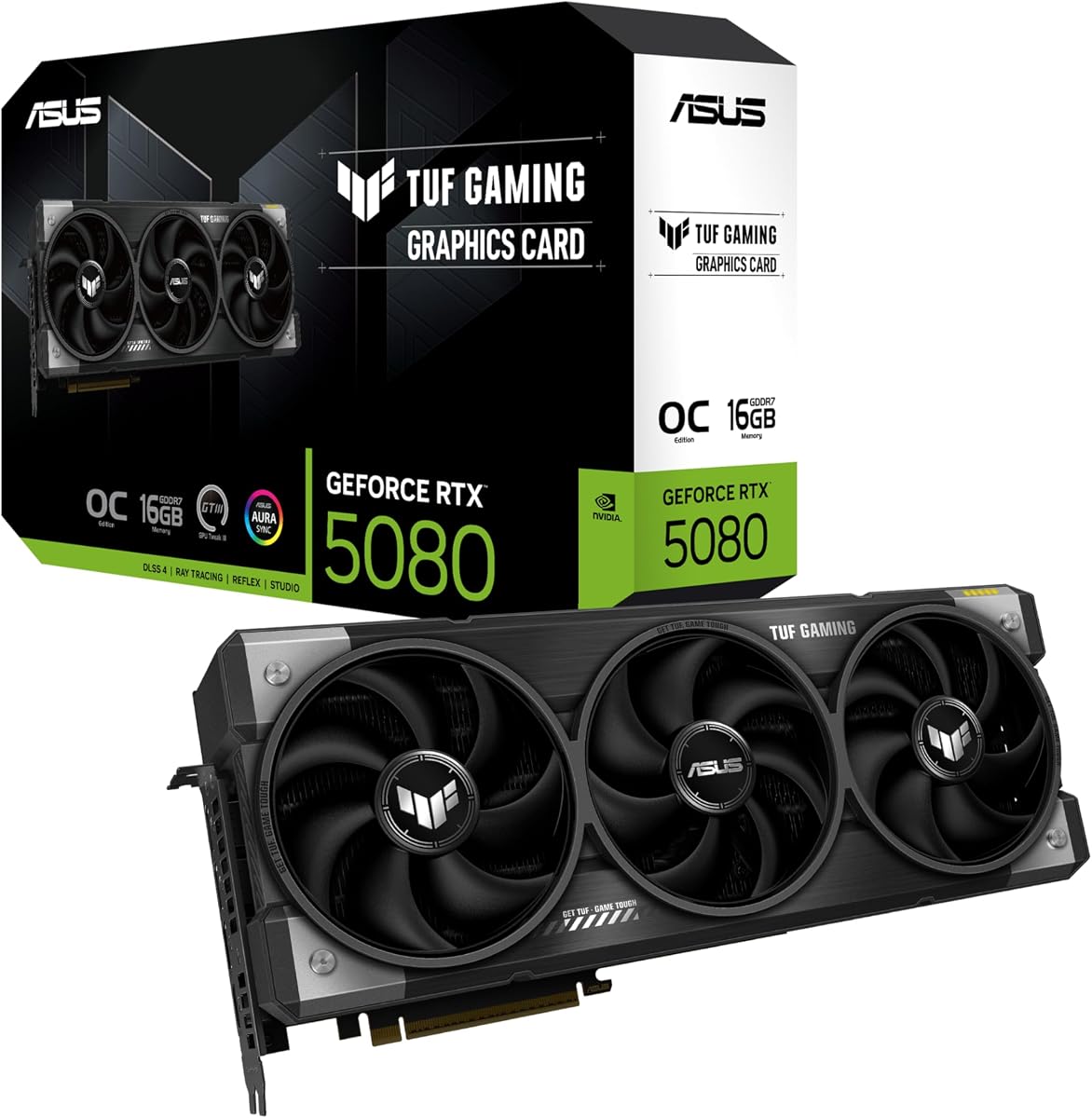

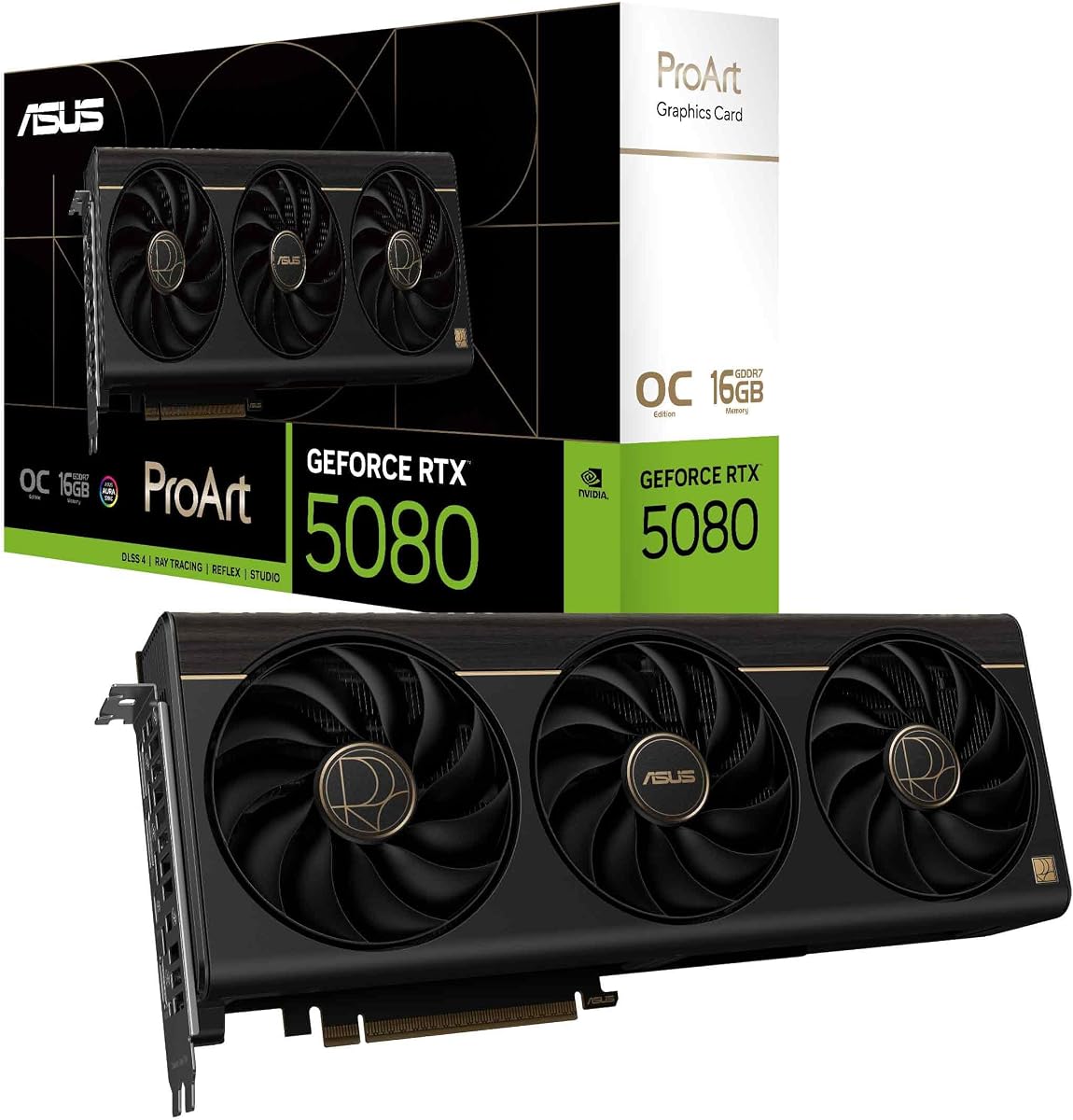

This graphics card tops our list due to its advanced architecture and substantial memory pool. It consistently handles heavy Resolve timelines with ease.
We may earn a commission when you buy through this link, at no additional cost to you.
The Blackwell architecture provides significant boosts to decode and encode tasks. Users report smooth playback even with multiple 4K streams active.
While the cooling system is effective, the card does run warm under load. Adequate case airflow is necessary to maintain optimal performance levels.
Editors seeking maximum performance without workstation pricing should consider this model. It balances cost and capability exceptionally well for most professionals.
The combination of high clock speeds and memory bandwidth accelerates node-based effects significantly.
The WINDFORCE system uses multiple fans to dissipate heat efficiently during long export sessions.
We may earn a commission when you buy through this link, at no additional cost to you.
This model offers professional stability at a very accessible price. It is ideal for freelancers or beginners needing reliable performance without breaking the bank.
We may earn a commission when you buy through this link, at no additional cost to you.
Quadro drivers ensure certified compatibility with Resolve and other creative apps. This reduces crashes during complex grading sessions compared to consumer cards.
The memory limit may restrict very high resolution work but fine for most tasks. Users should manage clip quality to avoid bottlenecks on larger projects.
For those prioritizing stability and cost over raw speed, this card delivers solid value. It remains a strong entry point into professional hardware.
Official software certification minimizes driver issues during critical client deliveries and production deadlines.
Its small size fits easily into smaller workstations or multi-GPU configurations without blocking other slots.
We may earn a commission when you buy through this link, at no additional cost to you.
The Titan RTX delivers powerful processing capabilities for heavy computational loads. Its high core count supports complex effects and rendering tasks effectively.
We may earn a commission when you buy through this link, at no additional cost to you.
Tensor cores accelerate AI features like Magic Mask significantly. This makes workflow improvements noticeable for editors relying on intelligent tracking tools.
The power requirements are substantial and demand a robust power supply. Users must ensure their system can handle the heat and electricity demands safely.
Ideal for users with legacy systems or specific workload needs. It remains a capable choice for those who need raw compute power.
Tensor cores provide significant speedups for neural network based effects within the Resolve timeline.
Thousands of CUDA cores enable parallel processing that speeds up noise reduction and grading.
We may earn a commission when you buy through this link, at no additional cost to you.
This AMD workstation card offers substantial memory and modern connectivity for creators. It supports high-resolution displays and complex rendering workloads well.
We may earn a commission when you buy through this link, at no additional cost to you.
Thirty-two gigabytes of VRAM allow for massive textures and high resolution playback. This is beneficial for projects involving detailed 3D elements or 8K footage.
Software optimization varies compared to NVIDIA offerings and requires driver checks. Users should test specific Resolve workflows before committing to this hardware.
For those already invested in AMD ecosystems or needing high memory capacity, this is a strong option. It provides excellent value for specialized workloads.
Ample VRAM supports complex scenes with heavy use of noise reduction and OpenFX plugins.
PCIe 5.0 ensures fast data transfer rates to CPU memory and storage devices.
We may earn a commission when you buy through this link, at no additional cost to you.
This card delivers impressive performance at a competitive price point for many users. It offers modern features and substantial memory for the cost.
We may earn a commission when you buy through this link, at no additional cost to you.
Users enjoy smooth playback and decent export speeds for most video formats. The memory capacity helps prevent stuttering during multi-layer timeline editing.
Some professional features may require third-party tools or extra steps to enable. Check compatibility with specific plugins before purchase for a smooth experience.
Budget conscious creators who need reliable daily performance should look here. It balances cost and capability better than many competitors in this range.
High performance per dollar makes it accessible for freelancers and small studios alike.
PCIe 5.0 support ensures the card is future proof for upcoming software updates.
We may earn a commission when you buy through this link, at no additional cost to you.
This is the ultimate choice for enterprise workloads and extreme resolution editing. Its memory capacity and compute power exceed almost all other options available.
We may earn a commission when you buy through this link, at no additional cost to you.
Users can work with uncompressed 8K streams without dropping frames. ECC memory ensures data integrity during long rendering or batch export jobs.
The investment is significant and requires a dedicated workstation environment. Proper power and cooling infrastructure are mandatory to support its full capabilities.
Enterprise teams needing guaranteed stability and maximum capability should consider this option. It represents the peak of current professional graphics technology.
Error correcting code prevents data corruption during critical color grading and export tasks.
Designed for continuous operation ensuring uptime during critical production deadlines and shifts.
We may earn a commission when you buy through this link, at no additional cost to you.
This model is built to withstand demanding workloads and prolonged usage periods. It combines raw power with a rugged chassis designed for longevity.
We may earn a commission when you buy through this link, at no additional cost to you.
The cooling solution ensures consistent clocks even during overnight rendering sessions. Military grade components reduce the risk of hardware failure under stress.
Physical dimensions are large so case clearance must be verified before purchase. Power supply requirements are high to support peak performance loads safely.
Creators looking for a reliable workhorse card for years of daily use will appreciate this. It offers peace of mind through superior build quality standards.
Military grade components and protective PCB coating extend the lifespan of the graphics card.
Advanced thermal pads and fans keep temperatures low for consistent performance over time.
We may earn a commission when you buy through this link, at no additional cost to you.
This Intel workstation card brings modern features and solid memory to the ecosystem. It supports multiple displays and high bandwidth data transfer effectively.
We may earn a commission when you buy through this link, at no additional cost to you.
Users benefit from four DisplayPort 2.1 outputs for expansive multi-monitor setups. This is excellent for editors needing separate panels for timelines and tools.
Performance varies depending on software optimization and driver updates. Testing specific workflows is recommended before full deployment in production environments.
Those needing many screens and moderate performance at a reasonable cost should consider this. It offers unique connectivity advantages for workstation builds.
Four DisplayPort outputs allow for efficient workspace layout and reference monitoring.
PCIe 5.0 support provides high bandwidth for fast data transfer and future upgrades.
We may earn a commission when you buy through this link, at no additional cost to you.
Designed specifically for creative professionals, this card offers reliable performance and accurate display support. It integrates seamlessly into color critical workflows.
We may earn a commission when you buy through this link, at no additional cost to you.
The included USB Type-C port allows for versatile connectivity options with modern peripherals. Users can connect displays and capture devices easily without extra adapters.
Thermal performance is optimized for steady operation during long editing sessions. The design balances size and cooling to fit various workstation environments.
Creators who value color accuracy and workflow integration will find this card appealing. It supports high quality monitoring and reliable rendering for professional projects.
Supports high precision color workflows ensuring accurate grading results for client approval.
Versatile connectivity options streamline hardware setup for complex production environments.
We may earn a commission when you buy through this link, at no additional cost to you.
This compact card offers solid performance for small form factor workstations. It balances size and power to fit into restrictive cases easily.
We may earn a commission when you buy through this link, at no additional cost to you.
Users can toggle BIOS profiles to choose between quiet operation or maximum performance. This flexibility helps manage noise levels during daytime editing work.
The memory capacity supports moderate resolutions well but may limit very high fidelity work. It is best suited for 1080p or 1440p workflows primarily.
Editors with smaller cases or quieter office environments will benefit from this design. It provides essential power without requiring a large tower chassis.
Small physical footprint allows installation in mini towers or older workstation chassis easily.
Zero decibel technology stops fans at low loads for quiet editing environments.
We may earn a commission when you buy through this link, at no additional cost to you.
Selecting the right graphics hardware requires understanding specific performance metrics that impact DaVinci Resolve workflows directly.
Video editing software uses video memory to store frames and effects. Insufficient capacity leads to dropped frames and crashes during grading.
Prioritize cards with at least 16GB of VRAM for smooth 4K editing performance.
Newer architectures offer better codecs and encoding efficiency for modern formats. Hardware acceleration speeds up export times significantly.
Check that the card supports the latest codec standards used in your source footage.
High performance cards demand more wattage and proper cooling infrastructure. Ensure your power supply unit meets manufacturer minimum specifications safely.
Verify connector types and wattage ratings to prevent system instability or shutdowns.
Professional workflows need reliable drivers that minimize crashes and errors. Studio certified drivers often provide better stability than gaming ones.
Look for options with regular driver updates and certification for creative applications.
Cards vary significantly in length and slot count affecting case compatibility. Measure your chassis before purchase to ensure a proper fit.
Confirm case clearance and slot spacing to avoid blocking other components like drives.
Modern displays and capture devices require high bandwidth ports. DisplayPort versions matter for multiple high resolution monitor setups.
Ensure outputs match your existing displays to avoid resolution or refresh rate limitations.
Machine learning features like noise reduction rely heavily on tensor cores. Advanced AI accelerators improve these specialized tasks significantly.
Consider models with dedicated AI engines for efficient workflow automation tasks.
Prices range widely from budget friendly to extreme workstation tiers. Determine the minimum specs required before your work type first.
Balance raw power needs with cost to find the most efficient investment.
Install the latest drivers from the manufacturer website to ensure compatibility with the latest software versions. Verify that your operating system is updated before running any new software tools.
Monitor temperatures using built-in software tools during long export sessions to ensure stability. If fans spin loudly or clocks drop, check airflow and dust accumulation in the system.
Update DaVinci Resolve regularly to take full advantage of new codec support and acceleration features. Keep a backup of your project files when upgrading hardware configurations or drivers.
For smooth 4K editing with color grading and effects, 16GB of VRAM is recommended. Lower amounts may cause stuttering or crashes with complex timelines and OpenFX plugins. Higher resolutions like 6K or 8K will benefit from 24GB or more.
NVIDIA GPUs generally offer better optimization and wider plugin support due to CUDA acceleration. However, modern AMD cards are viable if you verify specific codec and effect compatibility. Check official system requirements before choosing.
DaVinci Resolve supports GPU acceleration but does not utilize multiple cards evenly for all tasks. Primary GPU handles most decoding and rendering while secondary GPUs may help with specific effects. A single powerful GPU is often sufficient.
Crashes often occur due to insufficient VRAM, outdated drivers, or unstable overclocks. Ensure your power supply is adequate and your GPU drivers are up to date. Resetting preferences in Resolve can also help resolve conflicts.
The GPU processes color data but does not directly dictate monitor accuracy. Accurate calibration requires a certified monitor. However, a powerful GPU ensures real-time playback of graded footage without lag or artifacts.
ECC memory prevents data corruption which is crucial for high-end scientific or financial work. For most video editing workflows, standard non-ECC memory is sufficient and more cost effective. Consider it only for enterprise level production environments.
Check the recommended wattage in your GPU specifications and add overhead for your CPU and drives. Ensure the PSU has the correct power connectors like 12VHPWR for newer cards. Aim for at least 850W for high-end consumer GPUs.
Yes, many consumer gaming GPUs perform well for video editing. Professional cards offer better drivers and reliability but gaming cards are often more cost efficient. Ensure you install the correct drivers for stability.
We have reviewed ten distinct options ranging from budget friendly cards to high-end workstations. The GIGABYTE GeForce RTX 5080 stands out as our top overall choice for balancing power and price.
Prioritize VRAM capacity and architecture support over clock speeds when selecting hardware. Ensure your system can handle the power and cooling needs of your chosen model safely.
Always verify current compatibility and availability before finalizing your purchase. Prices and stock levels change often across different online retailers and marketplaces.