
8-Port 10G SFP+ Switch, Layer 3 Managed, Enterprise Network Fiber Switch
4.7Editor score
8 x 10G SFP+ Ports
Static Routing Support
Fanless Silent Operation
Explore our expert guide comparing the top Layer 3 Network Switch models for performance and security features in today's modern networking environments.
Layer 3 Network Switches provide advanced routing capabilities beyond basic switching. They enable efficient traffic management and inter VLAN routing for complex networks needing high performance and security controls.
We compared ten top models based on port speeds, management features, and reliability. Our list covers enterprise grade devices and home lab options with varying port counts and PoE capabilities for diverse needs.
Each pick shows key specs and real world strengths. Prices fluctuate often so verify current costs before buying. This guide helps you choose the right switch for your specific networking infrastructure requirements.
4.7Editor score

4.7Editor score

4.3Editor score
This side by side comparison evaluates all ten selected Layer 3 Network Switch models. We analyze port configurations, management capabilities, and key features to help you find the ideal device for your network infrastructure needs.
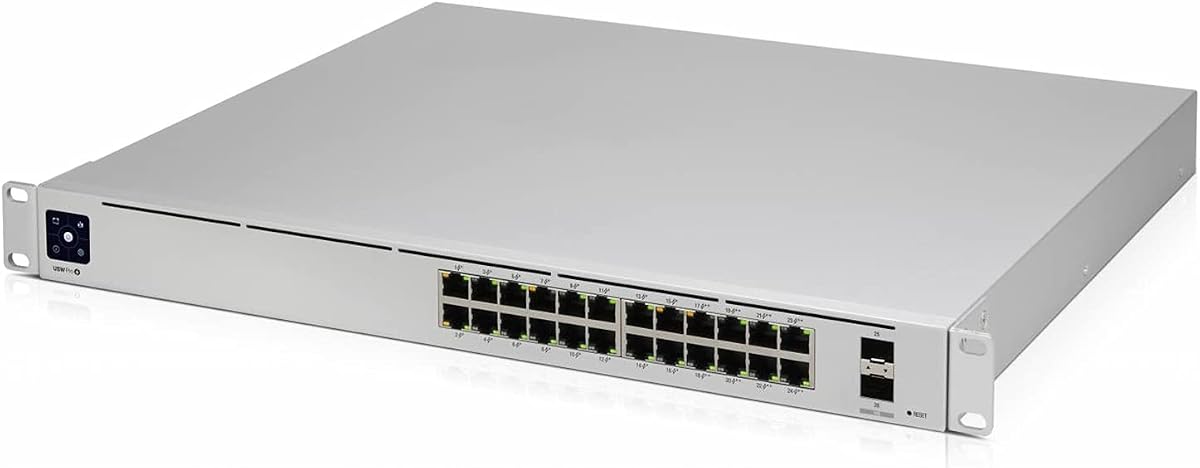




This UniFi Pro 24 PoE switch delivers robust Layer 3 capabilities with a high 4.7 rating. It stands out for its seamless integration with the UniFi ecosystem and powerful routing features suitable for growing networks.
We may earn a commission when you buy through this link, at no additional cost to you.
The switch supports advanced routing protocols and VLAN management. Its 24 ports provide ample connectivity for devices needing PoE like access points and cameras. The management interface simplifies complex network tasks.
While it requires the UniFi Controller software which may add setup complexity, the trade-off is a unified management system. The price is higher than basic switches but justified for enterprise grade performance.
Ideal for small to medium businesses using UniFi gear. This switch offers the best balance of features and reliability for those needing Layer 3 routing without moving to full enterprise hardware.
The switch integrates natively with UniFi Network applications allowing centralized management of all network devices including access points and security cameras.
Built-in Layer 3 switching enables efficient inter VLAN routing reducing the load on your primary router and improving overall network performance.
We may earn a commission when you buy through this link, at no additional cost to you.
The MokerLink 8 Port switch offers impressive 10G connectivity with auto adaptive speeds for mixed devices. Rated 4.3 it provides solid managed features including Layer 3 routing and extensive security tools for professional use.
We may earn a commission when you buy through this link, at no additional cost to you.
It supports both Web UI and CLI for configuration catering to different admin preferences. The auto adaptive ports handle 10G down to 100M seamlessly. Security features include port security and storm control.
CLI management can be complex for beginners but offers granular control. The fan provides cooling but may generate noise in quiet environments. Overall it is a powerful switch for technical users.
Perfect for tech enthusiasts or small offices needing 10G speeds without breaking the bank. The flexible management and security options make it a strong contender for custom network setups.
Every port supports auto adaptive speeds allowing connected devices to negotiate the best link rate from 10G down to 100M automatically.
Features like DoS anti-attack and dynamic ARP inspection protect your network from common threats and unauthorized access attempts.
We may earn a commission when you buy through this link, at no additional cost to you.
The Ubiquiti USW-Pro-24 without PoE delivers efficient Layer 3 connectivity with a 4.4 rating. It is ideal for users who do not need PoE and want reliable performance at a lower cost point.
We may earn a commission when you buy through this link, at no additional cost to you.
It supports the same Layer 3 switching features as the PoE model ensuring high performance connectivity. The 24 GbE ports handle standard network devices effectively. Rack mounting enables clean installation.
Without PoE you will need separate injectors for powered devices. This limits flexibility but keeps costs down. The built-in power supply ensures stable operation without external adapters.
Best for networks with existing PoE injectors or those prioritizing cost. It offers the core benefits of the Pro series without the power delivery overhead for a more budget friendly solution.
Built-in Layer 3 switching ensures enhanced performance and usability for connecting multiple devices with efficient data routing capabilities.
Rack mounting enables you to organize wires and secure cables for professional installation in server rooms or closets.
We may earn a commission when you buy through this link, at no additional cost to you.
This 10-Port switch offers future proof speeds with 2.5G ports and 10G uplinks. Rated 4.6 it brings enterprise grade Layer 3 management and high power PoE++ capabilities for modern high bandwidth environments.
We may earn a commission when you buy through this link, at no additional cost to you.
Ports support up to 90W PoE++ ideal for Wi-Fi 7 APs and PTZ cameras. Static routing and VLAN management allow precise traffic control. The console port ensures reliable access for IT professionals.
Active cooling is effective but may be audible in quiet spaces. The learning curve for full management features is steep but pays off in control. Lightning protection safeguards your investment.
Excellent for power users and studios needing high speed and power. The robust features and reliable support make it a great choice for demanding workloads and future ready networks.
Ports 1-4 deliver up to 90W PoE++ powering high demand devices like Wi-Fi 7 Access Points without needing external adapters.
Features OSPF v2 and DHCP Server alongside VLAN management for precise granular control over network traffic segmentation.
We may earn a commission when you buy through this link, at no additional cost to you.
The MikroTik CRS312 offers a solid mix of 10G ports for high speed needs. With a 4.3 rating it delivers reliable performance for users comfortable with RouterOS and advanced network configurations.
We may earn a commission when you buy through this link, at no additional cost to you.
It features 4 SFP+ slots and 8 RJ45 ports for flexible connectivity. The quality material ensures durability in rack environments. Setup is straightforward for those familiar with MikroTik ecosystem.
RouterOS can be complex for new users compared to simple web interfaces. Documentation may require technical knowledge to fully utilize all features. Overall it remains a robust choice for pros.
Ideal for technical users needing specific 10G configurations. The quality material and optimal results justify the learning curve for those seeking reliable managed L3 capabilities in a compact form.
Combines 10G SFP+ and RJ45 options allowing tailored networking for diverse device requirements without additional adapters.
Crafted with quality materials to ensure optimal performance and durability in professional 1U rack mounted environments.
We may earn a commission when you buy through this link, at no additional cost to you.
The CRS317 provides high density 10G SFP+ connectivity with 16 ports. Rated 4.4 it suits fiber heavy networks needing managed L3 capabilities in a standard 1U rack form factor with solid specs.
We may earn a commission when you buy through this link, at no additional cost to you.
It focuses on fiber connectivity ideal for backbone or uplink scenarios. Console port offers physical management access. Mounting grid and grey design fit standard racks. Managed features are powerful for routing.
Lack of RJ45 ports limits it to fiber deployments. Users must have transceivers for all devices. RouterOS configuration may require training. However it delivers excellent density for the size.
Best for fiber rich networks or data centers. The compact size and high port count make it a valuable tool for expanding infrastructure without taking up excessive rack space.
Equipped with 16 SFP+ slots enabling extensive fiber connections for high throughput environments.
Provides full managed L3 features for complex routing and traffic management needs.
We may earn a commission when you buy through this link, at no additional cost to you.
The UniFi Switch PRO 48 offers massive 48 port capacity for large networks. With a 3.7 rating it provides Layer 3 features and touchscreen control. It integrates well with existing UniFi infrastructure.
We may earn a commission when you buy through this link, at no additional cost to you.
It features 48 RJ45 ports and 4 SFP+ uplinks. The 1.3 touchscreen simplifies status monitoring. SmartPower RPS DC input ensures reliable power. Layer 2 and 3 features cover most needs.
Some users report lower satisfaction with routing capabilities compared to dedicated routers. Touchscreen is nice but may not be essential. It fits well in growing environments needing many ports.
Suitable for businesses needing many ports in one unit. While not perfect for deep routing, it serves as a solid access layer switch with basic routing capabilities and easy management.
Features a 1.3 touchscreen display for quick local status checks and configuration adjustments.
Provides 48 RJ45 ports plus SFP+ uplinks to accommodate growth and high speed needs.
We may earn a commission when you buy through this link, at no additional cost to you.
This 8-Port SFP+ switch offers high speed 10G at a budget friendly price. Rated 4.7 it features fanless silent operation and strong Layer 3 management. It is perfect for quiet creative spaces needing speed.
We may earn a commission when you buy through this link, at no additional cost to you.
It supports static routing and inter-VLAN routing internally. The metal chassis dissipates heat efficiently. Secure ERPS and ACLs protect against network attacks. Compact design allows wall or desktop mounting.
Requires SFP+ modules which are separate purchase. No copper ports means all devices must be fiber or use transceivers. However performance and silence make it a top value for specific setups.
Ideal for studios and home labs needing high throughput quietly. The secure and ultra reliable connectivity ensures mission critical tasks run smoothly without fan noise or high costs.
Fanless design with premium heat-dissipating metal chassis ensures completely silent operation ideal for quiet environments.
Features DAI and ACLs to block internal network spoofing ensuring rock-solid secure connectivity.
We may earn a commission when you buy through this link, at no additional cost to you.
The Ubiquiti Pro Max 16 offers a versatile mix of 2.5G and 1G ports. Rated 4.5 it provides managed network capabilities and unique Etherlighting. It fits well in modern UniFi networks needing speed.
We may earn a commission when you buy through this link, at no additional cost to you.
Its ports support Etherlighting to indicate location and speed visually. This simplifies troubleshooting. Managed features allow efficient control. It fits desktop or rack installation. Solid integration with UniFi ecosystem.
Base model lacks PoE requiring external power for devices. Cost is higher than basic managed switches. However, speed and manageability make it a strong choice for mixed speed networks.
Best for home offices needing 2.5G and clear management. It bridges the gap between consumer and enterprise offering speed and simplicity for growing professional environments.
Ports illuminate to indicate location and speed making it easy to identify connections physically.
Offers robust managed features for efficient network control and configuration.
We may earn a commission when you buy through this link, at no additional cost to you.
The Ubiquiti USW-Pro-Max-16-PoE delivers premium power with 180W budget and 2.5G ports. Rated 4.7 it features fanless cooling and Etherlighting. It is perfect for PoE heavy networks needing silent performance.
We may earn a commission when you buy through this link, at no additional cost to you.
Four ports support 2.5G PoE++ delivering high power for latest devices. Twelve ports provide standard PoE+. Versatile mounting allows desktop or wall installation. Silent cooling ensures quiet operation in offices.
Premium price means it is not for budget builds. Relies on UniFi Controller software which adds dependency. However, features and performance justify cost for advanced users needing reliability.
Ideal for users needing high power PoE without noise. It offers the best balance of power speed and management for professional environments prioritizing silent and powerful operation.
Four 2.5G PoE++ ports support power-hungry devices like Wi-Fi 7 APs with 180W total PoE budget.
Silent fanless cooling system ensures efficient heat dissipation without noise for quiet office environments.
We may earn a commission when you buy through this link, at no additional cost to you.
Selecting the right Layer 3 switch requires understanding your network requirements and technical needs. This guide covers essential factors to consider before making your purchase.
Evaluate whether you need standard Gigabit Ethernet or faster 2.5G 5G 10G options. SFP+ fiber ports are ideal for uplinks and long-distance connectivity.
Look for switches with the right mix of copper and fiber ports to match your existing infrastructure.
Ensure the switch supports routing protocols you need like static routing OSPF or RIP for efficient inter-VLAN traffic management.
Basic Layer 3 switching handles inter-VLAN routing while full features support dynamic routing for larger networks.
Check if your network devices like cameras or access points need PoE. Calculate total power budget including PoE standard like 802.3bt PoE++.
Select a model with enough wattage to support all powered devices without overloading.
Consider how you want to configure the switch. Web UI is beginner friendly while CLI offers granular control for advanced users.
Cloud management or local controller software may be required depending on brand ecosystem.
Decide between desktop wall mount or rack mount designs. Rack mounts save space in server rooms while desktop models fit easily on shelves.
Ensure dimensions match your available physical space and mounting capabilities.
Look for built-in security tools like port security ACLs and DoS protection to safeguard your network against unauthorized access.
Advanced switches offer dynamic ARP inspection and storm control for enhanced protection.
Switches with fans provide active cooling but generate noise. Fanless designs are ideal for quiet environments but rely on passive cooling.
Choose fanless models for home offices and fan models for server rooms.
Invest in a switch that supports emerging standards like 2.5G and Wi-Fi 7 AP compatibility to extend hardware life.
Ensure upgrade paths are available through firmware and compatible modules.
Connect the switch to your network infrastructure using appropriate cables. Configure management interfaces via web browser or console port following manufacturer instructions.
Install monitoring software to track traffic and health. Schedule regular firmware updates to ensure security and performance improvements.
Keep the device in a cool dry place. Dust filters and regular maintenance prevent overheating and extend device lifespan.
Layer 3 switches handle routing between VLANs internally which reduces load on routers. This improves performance and reduces latency in multi-VLAN networks.
Most home networks function well with Layer 2. However Layer 3 is useful if you have multiple VLANs or want better control over traffic.
PoE++ delivers up to 90W allowing you to power high-draw devices like advanced access points or cameras without extra power supplies.
Access management via Web UI or CLI. Configure VLANs and routing protocols there. Some require specific network setup before routing activates.
SFP+ allows fiber connections and high-speed uplinks. They are useful for backbone connections but optional for basic local networking.
Look for port security, ACLs, and DoS protection. These prevent unauthorized access and block common network attacks effectively.
Fanless is quieter and better for home offices. Fans offer better cooling for high-load environments. Choose based on noise tolerance.
Yes but you may lose unified management. Ensure VLAN and routing settings are compatible across brands for seamless operation.
The UBIQUITI UNIFI USW-PRO-24-POE leads with balance of power and management. The MokerLink offers budget friendly high performance for tech enthusiasts.
Consider your PoE needs and port speeds carefully. If you prioritize silent operation the fanless fiber switch is ideal. For large office spaces the 48 port model suits best.
Prices vary frequently so verify current deals before purchasing. Investing in the right Layer 3 switch now saves upgrades later and keeps your network secure.