
UGREEN DH2300
4.5Editor score
Entry-Level 2-Bay Design
1GbE Network Port
Up to 64TB Capacity
Simple User Interface
This expert guide compares the top 10 NAS Server for Linux options, evaluating performance, compatibility, and features to help you choose the right device.
Choosing a NAS Server for Linux requires careful consideration of hardware, software, and your specific storage needs. Whether you are a home user or a professional, the right device ensures reliable data management and seamless integration with your workflow.
We evaluated ten leading models based on performance, expandability, and Linux compatibility. Our analysis covers everything from entry-level units to high-performance workstations, ensuring you find a solution that fits your budget and technical requirements.
Each pick highlights key specifications, pros, and cons to guide your decision. Note that availability and pricing may change, so verify details before purchasing. Our goal is to provide clear, actionable insights for building a robust private cloud.
4.5Editor score

4.6Editor score

4.6Editor score
The following table provides a side-by-side comparison of the top 10 NAS Server for Linux models, highlighting core specifications and key features to help you make an informed choice.


The UGREEN DXP2800 stands out as a top choice for Linux users seeking a versatile NAS Server for Linux. With its Intel N100 processor and 8GB DDR5 RAM, it handles heavy workloads with ease, making it ideal for creators and advanced users.
We may earn a commission when you buy through this link, at no additional cost to you.
This device excels in media management and data security. Its support for Docker and virtual machines allows for extensive customization, while the AI-powered photo organization keeps your library tidy. The 2.5GbE networking ensures fast file transfers.
While it lacks included drives, this allows flexibility in choosing storage that fits your needs. The interface is intuitive, though initial setup might require some technical knowledge. Overall, it balances performance and features well.
If you need a reliable and powerful NAS Server for Linux that can grow with your needs, the DXP2800 is an excellent investment. It offers the flexibility and performance required for modern home and small office environments.
The quad-core CPU delivers smooth multitasking for multiple users and apps simultaneously.
AI tools recognize faces and scenes to organize your photos automatically.
We may earn a commission when you buy through this link, at no additional cost to you.
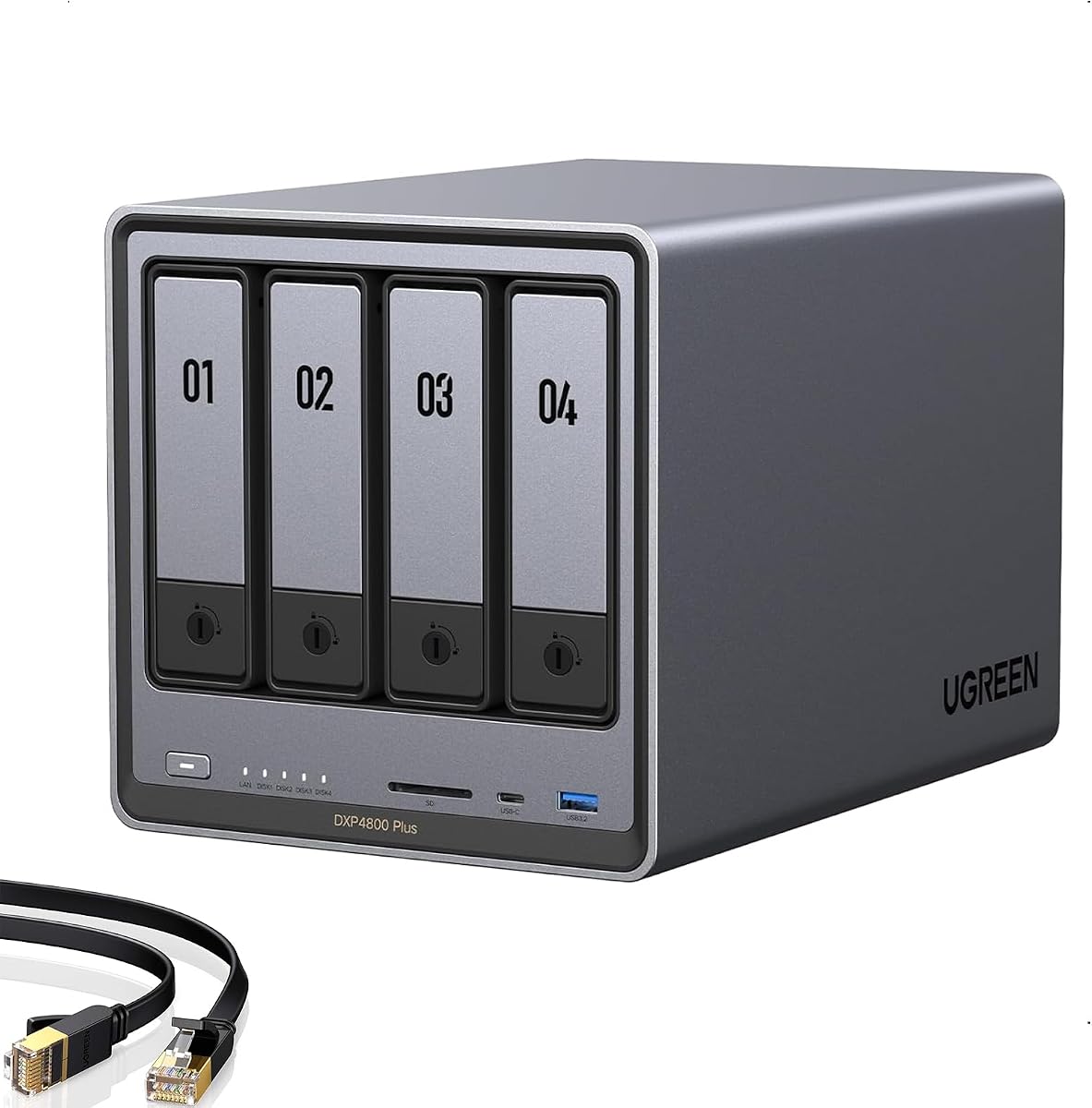
The UGREEN DXP4800 Plus is a robust NAS Server for Linux designed for families and small teams. Its 10GbE network port enables incredibly fast data transfers, which is crucial for collaborative work and large media projects.
We may earn a commission when you buy through this link, at no additional cost to you.
This model supports up to 144TB of storage, offering ample room for growth. The UGREEN NASync app ensures seamless file sharing across devices. Security features like advanced encryption keep your data safe from unauthorized access.
While the cost is higher than entry-level options, the performance and capacity justify the investment. The setup process is straightforward, but you will need to buy drives separately. This ensures you get the storage capacity you need.
For teams needing a fast and reliable NAS Server for Linux, the DXP4800 Plus is a strong contender. Its combination of speed, capacity, and security features makes it a versatile choice for various workloads.
Transfer large files in seconds with the high-speed network port.
With four bays, you can expand storage as your data grows.
We may earn a commission when you buy through this link, at no additional cost to you.
The UGREEN DH2300 is an ideal entry-level NAS Server for Linux for those new to network storage. Its intuitive design and easy setup make it accessible for beginners who want to move away from cloud subscriptions.
We may earn a commission when you buy through this link, at no additional cost to you.
This device supports up to 64TB of storage and includes AI features to organize your photos automatically. The privacy-focused approach ensures your data remains local and secure. It works seamlessly across Windows, macOS, and mobile devices.
While it lacks the speed and advanced features of higher-end models, it offers excellent value for basic storage needs. The interface is user-friendly, but it does not support Docker or virtual machines. This makes it best for personal use.
If you need a reliable and budget-friendly NAS Server for Linux, the DH2300 is a great starting point. It provides the essential tools for backup and organization without the complexity of enterprise systems.
Store your data locally to maintain full control and security.
Automatically tag and organize your photos with intelligent recognition.
We may earn a commission when you buy through this link, at no additional cost to you.
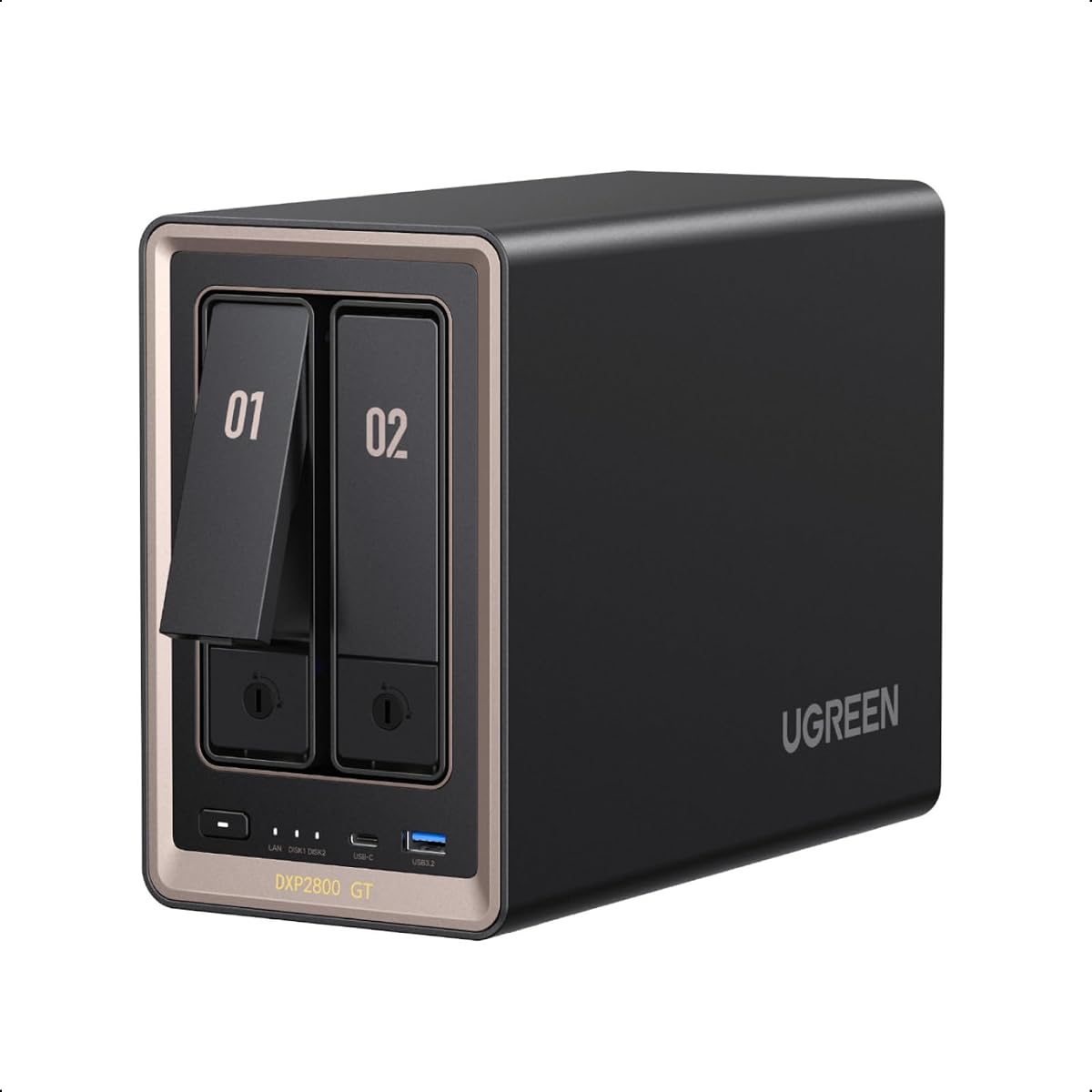
The UGREEN DXP2800 GT is a powerful NAS Server for Linux tailored for smart home enthusiasts and creators. Its built-in surveillance center allows you to manage security cameras directly through the device, enhancing home safety.
We may earn a commission when you buy through this link, at no additional cost to you.
With an AMD Ryzen processor and 10GbE networking, it delivers exceptional performance for media streaming and file transfers. The device supports Docker and virtual machines, providing flexibility for custom applications. Local storage ensures data privacy.
The setup involves selecting compatible drives separately. The interface offers many options but may require some technical knowledge to configure fully. Overall, it balances security and performance well for advanced users.
If you want a versatile NAS Server for Linux that doubles as a security hub, the DXP2800 GT is a strong choice. It offers the tools needed to manage your home network and media efficiently.
Manage security footage locally without monthly subscription fees.
Run custom apps and tools via Docker for tailored workflows.
We may earn a commission when you buy through this link, at no additional cost to you.
The UGREEN DH4300 Plus is an entry-level NAS Server for Linux perfect for home users. It offers a simple setup process and an intuitive app, making it easy for families to back up photos and share files securely.
We may earn a commission when you buy through this link, at no additional cost to you.
This model supports up to 128TB of storage, providing plenty of room for digital content. The 2.5GbE network port ensures fast transfers, and the HDMI output allows for direct media playback. Security features protect your data locally.
While it lacks virtual machine support, it includes Docker for app flexibility. The interface is designed for ease of use, which is great for non-technical users. You will need to purchase drives separately to get started.
For families looking for a reliable NAS Server for Linux, the DH4300 Plus offers a balanced mix of features. It is an excellent choice for organizing shared media and keeping important files safe.
Use HDMI to stream content directly to your TV without a computer.
Automatically sync photos from phones to keep memories safe.
We may earn a commission when you buy through this link, at no additional cost to you.
The UGREEN DXP4800 GT is a top-tier NAS Server for Linux designed for professional and advanced home use. With dual 10GbE ports, it delivers massive throughput for large file transfers and video editing workflows directly from the network.
We may earn a commission when you buy through this link, at no additional cost to you.
This device supports up to 144TB of storage and includes flexible backup options via USB and SD. The UGREEN Surveillance Center allows for integrated security management. Performance is bolstered by the AMD Ryzen processor.
While the price is higher, the capabilities justify it for power users. You will need to purchase drives separately. The setup offers many customization options, making it ideal for those who need full control.
For professionals needing a powerful NAS Server for Linux, the DXP4800 GT is a standout option. It combines speed, capacity, and security to handle demanding tasks efficiently and reliably.
Experience near disk-like transfer speeds with dual network ports.
Keep your home or office secure with built-in camera support.
We may earn a commission when you buy through this link, at no additional cost to you.
The Synology DS425+ is a professional NAS Server for Linux known for its stability and intuitive DSM operating system. It offers a 4-bay configuration that suits small businesses needing reliable data sharing and media streaming.
We may earn a commission when you buy through this link, at no additional cost to you.
This model supports high-speed transfers and includes a robust app ecosystem. The surveillance center supports multiple cameras, enhancing security options. Data protection features like RAID redundancy ensure your files remain safe from loss.
While RAM is not expandable, the included memory handles most workloads. You must purchase drives separately. The interface is user-friendly, making it accessible even for non-technical staff in a business setting.
If you need a reliable NAS Server for Linux for business use, the DS425+ is a solid choice. Its reputation for stability and comprehensive features makes it a top contender in the professional market.
Manage your server easily with the industry-standard DSM dashboard.
Install a wide variety of third-party applications directly on the device.
We may earn a commission when you buy through this link, at no additional cost to you.
The Synology DS224+ with 36TB storage is an all-in-one NAS Server for Linux solution. It comes with hard drives included, removing the hassle of separate purchases. The Celeron processor handles general tasks and media streaming effectively.
We may earn a commission when you buy through this link, at no additional cost to you.
This device excels at file indexing and backup. The DSM system provides a user-friendly experience with strong security features. Energy efficiency is a key benefit, keeping operating costs low. It is ideal for home offices.
While it lacks expandable RAM and high-speed ports, it offers great value for immediate storage needs. The included drives save time and ensure compatibility. Setup is straightforward, allowing quick access to your files.
If you want a ready-to-use NAS Server for Linux without extra steps, the DS224+ is perfect. It balances performance, storage, and ease of use for a seamless experience.
Get started immediately with pre-installed drives and DSM software.
Minimize power consumption with low-wattage design.
We may earn a commission when you buy through this link, at no additional cost to you.
The Synology DS224+ with 20TB storage offers a budget-friendly NAS Server for Linux option. It provides a reliable platform for personal backup and file management. The included drives ensure immediate usability without extra hardware setup.
We may earn a commission when you buy through this link, at no additional cost to you.
This model features the renowned DSM operating system, which offers a polished interface. It handles file indexing and backups efficiently. Security features protect your data locally. It is well-suited for home environments.
While the network speed is limited to 1GbE, it is adequate for most personal needs. The interface makes managing files easy. You do not need to install drives yourself, which simplifies the process.
If you need an affordable NAS Server for Linux with included storage, the DS224+ is a great choice. It delivers solid performance and reliability for everyday data management tasks.
Access your files from anywhere with the user-friendly DSM interface.
Protect your data with built-in encryption and access controls.
We may earn a commission when you buy through this link, at no additional cost to you.
The QNAP TS-264 is a multimedia-focused NAS Server for Linux with dual HDMI outputs and M.2 slots. It is ideal for users who want to connect directly to a TV for media playback or use it as a server for applications.
We may earn a commission when you buy through this link, at no additional cost to you.
This device offers fast network speeds and ample RAM for multitasking. The M.2 NVMe slots allow for caching and expansion, boosting performance. It supports a wide range of apps and custom configurations.
While it requires some technical skill to set up fully, the flexibility is worth it. You must purchase drives separately. The interface offers extensive options, making it a powerful tool for tech enthusiasts.
If you need a versatile NAS Server for Linux with multimedia capabilities, the TS-264 is an excellent choice. It provides the power and connectivity needed for a rich media and server experience.
Connect directly to a TV or monitor with dual HDMI ports.
Use M.2 NVMe slots for faster data access and caching.
We may earn a commission when you buy through this link, at no additional cost to you.
Selecting the right NAS Server for Linux involves evaluating several key factors to ensure the device meets your performance and storage needs effectively.
The processor and RAM determine how well your NAS Server for Linux handles multitasking and heavy applications. Models with quad-core CPUs and at least 8GB RAM are recommended for smooth performance and running virtual machines.
Prioritize units with upgradable RAM if you plan to run multiple apps or use Docker containers.
Network speed is critical for transferring large files efficiently. While 1GbE is standard, 2.5GbE or 10GbE ports offer significantly faster speeds, ideal for creators and businesses working with large datasets.
Choose a model with ports that match your router and switch capabilities to maximize transfer rates.
Consider your current and future storage needs when choosing a NAS Server for Linux. Units with 4 bays allow for greater expansion than 2-bay models. Ensure the device supports large drives up to 16TB or more.
Always account for RAID configurations that may reduce usable capacity for data redundancy.
A good NAS Server for Linux should offer an intuitive operating system that supports essential apps like Docker and file managers. Look for devices that allow easy integration with your existing Linux environment.
Verify that the software updates regularly to maintain security and feature parity.
The available apps and features vary by brand. Look for tools like photo management, surveillance support, and file synchronization. Docker support is a must for those wanting to run custom services.
Ensure the device supports the specific applications you need for your workflow.
Security is paramount for any NAS Server for Linux. Look for support for encryption, two-factor authentication, and regular security updates. A good system should prevent unauthorized access and protect data integrity.
Select a model that offers granular permission controls for shared environments.
A strong warranty and responsive support can save time and money. Brands often offer 3-year warranties. Check for online resources and active user communities that can help with troubleshooting.
Prioritize brands with a track record of reliable customer service and software updates.
Future-proofing is key. Consider NAS Server for Linux models that allow for SSD caching or additional drive bays. M.2 slots can significantly speed up performance without replacing main drives.
Choose a device that can grow with your needs to avoid early upgrades.
To start using your NAS Server for Linux, first install compatible hard drives following the manufacturer's instructions. Connect the device to your router using Ethernet and access the setup portal via a web browser to initialize the system.
Regularly update the NAS operating system to ensure security and access to new features. Configure user accounts and shared folders to keep data organized. Use backup tools to create automatic snapshots of your important files.
Maintain the device by keeping it in a well-ventilated area to prevent overheating. Monitor drive health through the system dashboard and replace any failing drives promptly. Periodically check logs to ensure the system is running smoothly.
A NAS Server for Linux is a network attached storage device that runs on Linux-based software. It provides centralized file storage and services like media streaming, backups, and security monitoring accessible over a local network.
Most consumer NAS devices have proprietary OS, but many support custom firmware or Docker containers. For full Linux control, you may need to choose open-source NAS solutions or self-assembled systems.
While standard drives work, NAS-optimized drives are recommended. They are designed for 24/7 operation and have features like vibration reduction and higher endurance to ensure reliability in multi-drive arrays.
RAID (Redundant Array of Independent Disks) protects data by distributing it across multiple drives. If one drive fails, your data remains safe. Different RAID levels offer varying balances of speed and redundancy.
Yes, most NAS devices support media streaming apps like Plex or Jellyfin. They organize your videos, photos, and music into libraries that can be streamed to smart TVs, phones, or tablets.
While NAS keeps data local, combining it with cloud backup adds a safety layer against physical disasters. This 3-2-1 backup strategy ensures you have copies on-site, off-site, and in the cloud.
Docker support allows you to run containers on your NAS. This enables you to install lightweight apps like home automation tools or databases without impacting system stability, offering great flexibility.
Secure your NAS by using strong passwords, enabling two-factor authentication, and keeping the software updated. Use encryption for data transfers and restrict access to trusted users and devices.
We explored ten top NAS Server for Linux options ranging from budget-friendly 2-bay units to powerful 4-bay workstations. Each model offers unique strengths in performance, capacity, and software features to suit different user needs.
When making a decision, prioritize your specific use cases. Whether you need speed for media creation, capacity for storage, or simplicity for home backups, there is a device on this list tailored to your requirements.
Keep in mind that pricing and availability can change. Verify current stock and check for bundle offers before purchasing. This guide helps you navigate the options to find the best fit for your private cloud.